
Dr Ak Gupta
About Me
Dr Ak Gupta
MS
Ophthalmologist
10 Years Experience
Biography
My Clinic
OPD Hours
| Monday | Morning | 10:00 AM | - | 02:00 PM |
| Evening | 06:00 PM | - | 09:00 PM | |
| Tuesday | Morning | 10:00 AM | - | 02:00 PM |
| Evening | 06:00 PM | - | 09:00 PM | |
| Wednesday | Morning | 10:00 AM | - | 02:00 PM |
| Evening | 06:00 PM | - | 09:00 PM | |
| Thursday | Morning | 10:00 AM | - | 02:00 PM |
| Evening | 06:00 PM | - | 09:00 PM | |
| Friday | Morning | 10:00 AM | - | 02:00 PM |
| Evening | 06:00 PM | - | 09:00 PM | |
| Saturday | Morning | 10:00 AM | - | 02:00 PM |
| Evening | 06:00 PM | - | 09:00 PM | |
| Sunday | Morning | 10:00 AM | - | 02:00 PM |
| Evening | 06:00 PM | - | 09:00 PM |
Treatments
Specialised care and treatments offered
DRY EYE SYNDROME TREATMENT
Dry eye syndrome occurs when tears are insufficiently produced or evaporate too quickly, causing discomfort. Diagnosis involves a careful assessment by an ophthalmologist who specializes in ocular surface disorders!
- Sufferers often report itchy or burning sensations along with redness; severe cases might lead to blurry vision also!
- A thorough examination will include evaluating tear production through specific tests like Schirmer’s test alongside assessing overall dryness level on ocular surfaces directly!
Treatment options typically focus on moisturizing drops alongside lifestyle changes aimed at reducing discomfort proactively supporting better quality living amid this prevalent issue affecting many people today!
PEDIATRIC EYE EXAM

Pediatric eye examinations are important for detecting potential visual issues early in life. These evaluations ensure that children develop healthy eyesight as they grow.
- Common signs that indicate the need for an exam include difficulty focusing on objects or squinting frequently during activities like reading or watching television.
- Evident conditions can be assessed through specialized testing tailored for children's needs during these visits
- Treatment approaches may vary from corrective lenses to specialized therapies based on identified issues such as amblyopia or strabismus.
Encouraging routine checks from a young age not only helps address current issues but also emphasizes the importance of ongoing eye care throughout their development journey!
MACULAR DEGENERATION MANAGEMENT

Age-related macular degeneration (AMD) impacts central vision due to degeneration of the macula. Early intervention can help slow its progression and maintain quality of life for those affected by it.
- The condition may present with symptoms such as distorted vision or difficulty recognizing faces due to central vision loss.
- A diagnosis typically involves detailed retinal examinations along with visual acuity testing conducted by an ophthalmologist.
- Treatments can include nutritional therapy or intravitreal injections aimed at slowing down progression in certain types of AMD.
- Regular monitoring ensures timely adjustments in management strategies to preserve remaining vision as much as possible.
Being proactive about AMD leads towards better outcomes; thus understanding its implications plays an integral role in care plans focused on sustaining visual function over time.
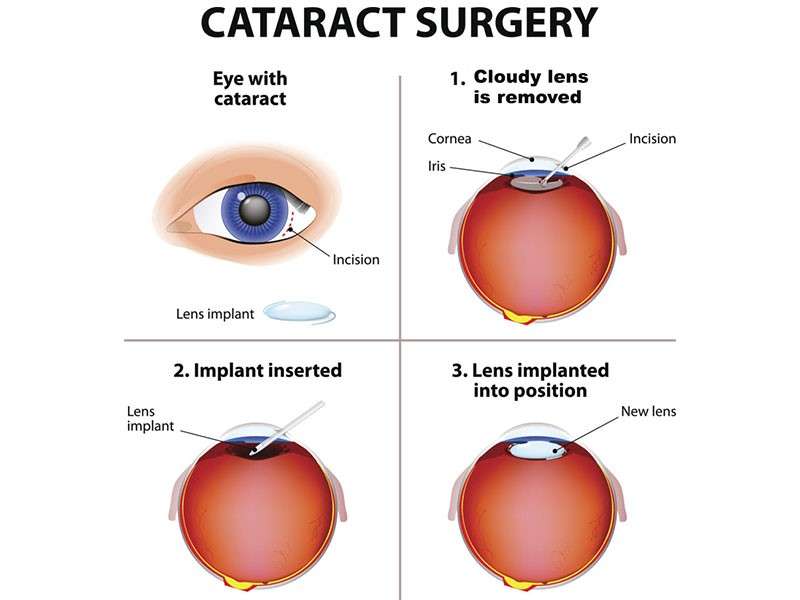
CATARACT EVALUATION

Cataracts are a common eye condition characterized by clouding of the lens, leading to diminished vision quality. Comprehensive evaluation is vital for determining the best course of action.
- The primary symptom includes blurred or cloudy vision that may impair daily activities like reading or driving.
- Cataracts are usually diagnosed during an extensive eye examination involving vision tests and a review of medical history.
- Treatment often involves surgery to replace the cloudy lens with an artificial one when symptoms significantly impact lifestyle quality.
- Lifestyle modifications, including using appropriate lighting and magnifying lenses, can help manage mild cataract symptoms initially.
A thorough understanding of cataracts empowers individuals to seek timely assessment and treatment options effectively, preserving their vision for years to come.
GLAUCOMA SCREENING
Glaucoma is often referred to as the 'silent thief of sight' because it can develop gradually without noticeable symptoms. Regular screening is essential for early detection and preservation of vision.
- Many patients do not experience symptoms until significant damage has occurred, so proactive screening is key.
- A standard evaluation involves measuring intraocular pressure, assessing optic nerve health, and conducting visual field tests.
- If diagnosed early, treatment can involve medication or surgical options to manage intraocular pressure effectively.
- Continuous monitoring and follow-up appointments help track any progression of the disease over time.
Understanding glaucoma’s risk factors enhances awareness and encourages individuals to prioritize regular eye examinations for early intervention.
DIABETIC RETINOPATHY
Diabetic retinopathy is a serious eye condition that affects individuals with diabetes. It occurs when high blood sugar levels damage the blood vessels in the retina. Early detection and management are crucial to prevent severe vision loss.
- Symptoms may include blurred vision, difficulty seeing at night, and floaters.
- The condition is diagnosed through a comprehensive eye exam, which may include dilated eye exams and imaging tests.
- Treatment options range from laser therapy to intravitreal injections, depending on the severity of the disease.
- Regular check-ups can help monitor changes in the retina and adapt treatment as necessary.
- Managing blood sugar levels plays a vital role in preventing further damage.
Staying informed about diabetic retinopathy is essential for maintaining eye health if you have diabetes. Regular consultations with your ophthalmologist will support optimal care.