
Dr AK Bansal ,clinic
About Me
Dr AK Bansal ,clinic
MBBS
General Physician
10 Years Experience
Biography
My Clinic
OPD Hours
| Monday | Morning | 10:00 AM | - | 02:00 PM |
| Evening | 06:00 PM | - | 09:00 PM | |
| Tuesday | Morning | 10:00 AM | - | 02:00 PM |
| Evening | 06:00 PM | - | 09:00 PM | |
| Wednesday | Morning | 10:00 AM | - | 02:00 PM |
| Evening | 06:00 PM | - | 09:00 PM | |
| Thursday | Morning | 10:00 AM | - | 02:00 PM |
| Evening | 06:00 PM | - | 09:00 PM | |
| Friday | Morning | 10:00 AM | - | 02:00 PM |
| Evening | 06:00 PM | - | 09:00 PM | |
| Saturday | Morning | 10:00 AM | - | 02:00 PM |
| Evening | 06:00 PM | - | 09:00 PM | |
| Sunday | Morning | 10:00 AM | - | 02:00 PM |
| Evening | 06:00 PM | - | 09:00 PM |
Treatments
Specialised care and treatments offered
CHOLESTEROL MANAGEMENT
Managing cholesterol levels is vital for reducing cardiovascular risk factors. Elevated cholesterol can lead to plaque buildup in arteries, increasing the chances of heart attacks and strokes over time.
- Patients may not experience symptoms; hence routine screenings provide valuable insights into lipid profiles .
- Diagnosis involves blood tests measuring total cholesterol including LDL ('bad') cholesterol levels which should be kept low .
- Lifestyle changes encompassing healthier diets rich in omega-3 fatty acids combined with regular physical activity help lower cholesterol effectively . >
- Medications might also be prescribed if dietary changes aren't sufficient alone targeted toward lowering LDL levels .
Regular follow-up appointments ensure ongoing monitoring progress towards achieving optimal cholesterol levels while preventing future cardiovascular events .
RESPIRATORY HEALTH ASSESSMENT

A respiratory health assessment identifies issues affecting lung function and breathing capacity. It plays an important role in diagnosing conditions such as asthma or chronic obstructive pulmonary disease (COPD).
- Symptoms may include persistent cough, wheezing , shortness of breath , or chest tightness .
- Diagnosis often involves physical examinations along with tests such as spirometry which measures lung function .
- Management strategies may range from inhalers for asthma control to lifestyle adjustments including smoking cessation or respiratory therapy .
- Regular assessments are particularly important for individuals at high risk due specialists recommend periodic follow-ups based on individual conditions .
Proactive evaluations help maintain optimal respiratory health while improving quality of life through effective management plans .
VACCINATIONS

Vaccinations play a vital role in maintaining public health by preventing infectious diseases. Staying updated on vaccinations is crucial for all age groups to increase immunity against numerous illnesses.
- Common vaccines include those for influenza, hepatitis B, tetanus, diphtheria, and varicella among others which protect against serious infectious diseases.
- The best way to determine vaccination needs is through discussing personal medical history during visits with your healthcare provider.
ANNUAL HEALTH CHECK-UP
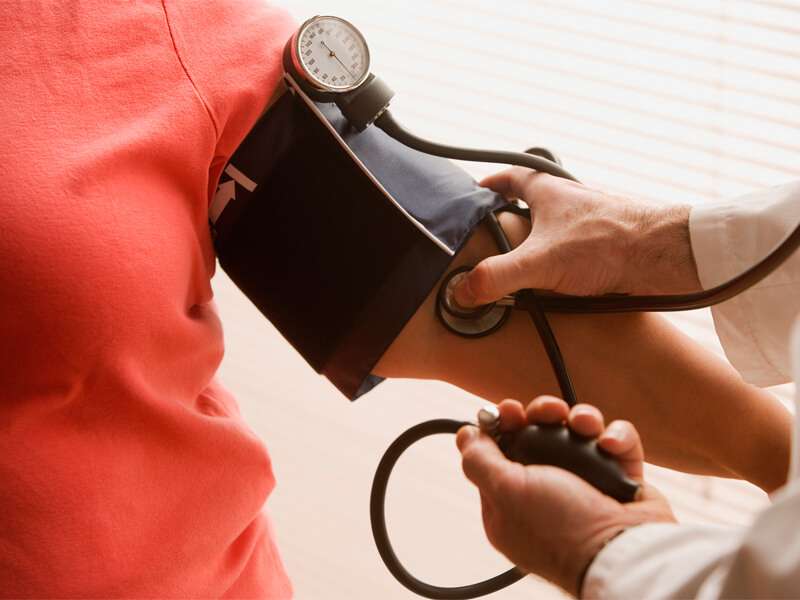
An annual health check-up serves as a preventive measure allowing for early detection of potential health issues. These examinations typically include a comprehensive evaluation of overall health status.
- During these check-ups, vital signs such as blood pressure and heart rate are monitored alongside weight assessment.
- Labs tests may be performed including cholesterol levels and glucose readings to assess metabolic health.
- This yearly assessment enables healthcare providers to offer personalized advice on nutrition, exercise, and further screenings based on individual risk factors.
- It's an excellent opportunity for patients to discuss any concerns or unusual symptoms they've experienced in the past year.
Regular check-ups are key in maintaining long-term health and preventing chronic diseases from developing unnoticed.
DIABETES SCREENING

Diabetes screening is essential for early detection and management of diabetes mellitus. This condition occurs when the body either doesn’t produce enough insulin or can’t effectively use the insulin produced.
- Common symptoms include increased thirst, frequent urination, extreme fatigue, and blurred vision.
- The diagnosis often includes fasting blood sugar tests or HbA1c testing to assess average glucose levels over time.
- If diagnosed, lifestyle changes including diet modification and exercise are recommended alongside possible medication or insulin therapy.
- Health professionals advise routine screenings based on risk factors like age and family history to detect any early signs of diabetes.
Timely screening can lead to interventions that prevent serious complications associated with diabetes.
HYPERTENSION

Hypertension, often termed as high blood pressure, is a common condition that can lead to serious health complications if left unmanaged. It arises when the force of blood against artery walls is consistently too high.
- The condition may be asymptomatic at first but can cause headaches, fatigue, and shortness of breath in some cases.
- Diagnosis typically involves repeated blood pressure measurements along with a thorough medical history.
- Management options include lifestyle modifications such as diet and exercise, as well as medications like diuretics or ACE inhibitors.
- Regular monitoring is crucial to ensure blood pressure remains within a healthy range.
- Patients should understand the importance of adhering to prescribed treatments and following up with healthcare providers.
Effective management of hypertension can significantly reduce the risk of stroke and heart disease, emphasizing the importance of regular check-ups.