
DR Ajay Veer Khur
About Me
DR Ajay Veer Khur
MS
Orthopaedic Surgeons
10 Years Experience
Biography
My Clinic
OPD Hours
| Monday | Morning | 10:00 AM | - | 02:00 PM |
| Evening | 06:00 PM | - | 09:00 PM | |
| Tuesday | Morning | 10:00 AM | - | 02:00 PM |
| Evening | 06:00 PM | - | 09:00 PM | |
| Wednesday | Morning | 10:00 AM | - | 02:00 PM |
| Evening | 06:00 PM | - | 09:00 PM | |
| Thursday | Morning | 10:00 AM | - | 02:00 PM |
| Evening | 06:00 PM | - | 09:00 PM | |
| Friday | Morning | 10:00 AM | - | 02:00 PM |
| Evening | 06:00 PM | - | 09:00 PM | |
| Saturday | Morning | 10:00 AM | - | 02:00 PM |
| Evening | 06:00 PM | - | 09:00 PM | |
| Sunday | Morning | 10:00 AM | - | 02:00 PM |
| Evening | 06:00 PM | - | 09:00 PM |
Treatments
Specialised care and treatments offered
BURSITIS TREATMENT
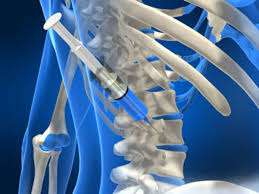
Bursitis refers to inflammation of the bursae – small fluid-filled sacs that cushion bones against soft tissues around joints. Recognizing symptoms early aids in prompt management options available!
- Symptoms: Typical indicators consist of localized tenderness together with swelling nearby joint areas along potential restriction onto movement depending severity levels present throughout ailment duration!
- Causes: Overuse injuries stemming from repetitive motions most frequently invoke episodes triggering flair ups however certain infections involved may provoke further complications unnecessarily complicating matters down line if inadequately attended too quickly thereafter leading damaging ramifications consequently!
- Diagnosis: Comprehensive examinations totaling both palpation assessments along imaging modalities verify definitive conclusions before devising treatment protocols tailored patient's circumstances precisely surrounding each case presented accordingly !
After undergoing suitable therapeutic interventions including rest combined potentially corticosteroid injections/bands compression; most patients recover fully enjoying healthier lives ahead positively showcasing resilience through adversity witnessed initially upon identification phase into full resolution achieved collectively realized between physician/patient collaboration!
JOINT REPLACEMENT SURGERY
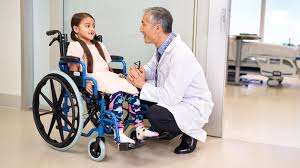
This procedure involves replacing damaged joint surfaces with artificial components when conservative treatments fail. It's commonly performed on hips and knees severely affected by degenerative diseases or trauma.
- Symptoms : Severe pain accompanied by stiffness often limits daily activities resulting in frequent complaints related to mobility challenges experienced by patients .
- Causes : Conditions such as osteoarthritis , rheumatoid arthritis , previous injuries , etc., may necessitate this type of intervention .
- Diagnosis : A combination of patient history , physical examinations along with imaging techniques assists healthcare providers in determining suitability before proceeding towards surgical recommendations .
- Treatment options : Following placement phases involve stringent physiotherapy alongside scheduled follow-ups post-operatively ensuring optimal recovery outcomes maximizing quality life improvements whenever possible .
Joint replacement surgeries have high success rates providing long-term relief from debilitating symptoms allowing individuals regain their independence once again .
TENDON REPAIR

Tendon injuries can occur suddenly or develop gradually due to overuse. Repairing damaged tendons is critical for restoring movement and functionality in affected areas.
- Symptoms: Pain at the injury site alongside weakness or limited range of motion are common indicators of tendon damage.
- Causes: Most tendon injuries arise from repetitive motions or acute traumas during sporting activities.
ARTHRITIS TREATMENT

Arthritis encompasses various joint disorders characterized by inflammation causing pain and stiffness. Early diagnosis is essential for effective management.
- Symptoms: Patients typically report joint pain, swelling, reduced range of motion, and fatigue during flare-ups.
- Causes: Factors include genetics, age, past injuries, and autoimmune diseases affecting joints.
- Diagnosis: Blood tests and imaging techniques can assist in identifying the type of arthritis present.
- Treatment Options: Management includes medications to alleviate pain and inflammation along with physical therapy for strengthening muscles around affected joints.
If left untreated, arthritis can progress; therefore early intervention is vital for preserving function over time.
LIGAMENT RECONSTRUCTION

Ligament injuries are common in sports and can significantly impact mobility. Reconstruction aims to restore stability and function to the affected joint.
- Causes: Injuries often result from sudden twists or impacts during athletic activities.
- Symptoms: Typical signs include joint instability, swelling, and persistent pain.
- Diagnosis: A thorough examination and MRI scans help confirm ligament damage.
- Treatment Options: Surgical reconstruction is often required for complete tears, followed by rehabilitation for strength recovery.
This procedure has high success rates with dedicated post-operative care leading to improved outcomes.
FRACTURE MANAGEMENT

Fractures occur when a bone is broken due to trauma, stress, or underlying conditions. Understanding the specific type of fracture and appropriate management is crucial for recovery.
- Symptoms: Acute pain, swelling, and inability to use the affected limb are common signs of fractures.
- Diagnosis: Physicians typically perform physical examinations and imaging studies such as X-rays to determine the fracture's nature and extent.
- Treatment Options: Management may include immobilization with casts, braces, or surgery in severe cases to realign the bones.
- Recovery Expectations: Healing time varies based on age, health status, and fracture severity; rehabilitation exercises are often necessary post-healing.
With proper management, patients can expect a return to normal function over time.
FAQs
What should I bring for my first appointment?
How important is physical therapy after surgery?
.Can I get a second opinion on my diagnosis?
How do you manage post-operative care?
What types of diagnostic tests do you perform?
X-rays, MRIs & CT scans are standard procedures utilized according his skills honed throughout his decade-long journey translating knowledge into accurate insights leading better patient outcomes!