
Dr Ajay Gupta
About Me
Dr Ajay Gupta
MS
Ophthalmologist
10 Years Experience
Biography
My Clinic
OPD Hours
| Monday | Morning | 10:00 AM | - | 02:00 PM |
| Evening | 06:00 PM | - | 09:00 PM | |
| Tuesday | Morning | 10:00 AM | - | 02:00 PM |
| Evening | 06:00 PM | - | 09:00 PM | |
| Wednesday | Morning | 10:00 AM | - | 02:00 PM |
| Evening | 06:00 PM | - | 09:00 PM | |
| Thursday | Morning | 10:00 AM | - | 02:00 PM |
| Evening | 06:00 PM | - | 09:00 PM | |
| Friday | Morning | 10:00 AM | - | 02:00 PM |
| Evening | 06:00 PM | - | 09:00 PM | |
| Saturday | Morning | 10:00 AM | - | 02:00 PM |
| Evening | 06:00 PM | - | 09:00 PM | |
| Sunday | Morning | 10:00 AM | - | 02:00 PM |
| Evening | 06:00 PM | - | 09:00 PM |
Treatments
Specialised care and treatments offered
RETINAL DETACHMENT REPAIR
This serious condition occurs when the retina separates from its underlying support tissue. It poses a risk of permanent vision loss if not addressed swiftly through surgical intervention.
- Causes: Factors contributing include severe trauma, previous surgeries on the eye or age-related degeneration that weakens retinal adherence
- Symptoms: Sudden flashes of light or floaters could indicate detachment—urgent evaluation is necessary if these occur suddenly.
- Diagnosis: A comprehensive dilated examination enables detection of tears or holes within the retina indicating possible detachment needing repair
- Treatment Options: The primary approach involves surgery via techniques such as scleral buckle placement or vitrectomy aimed at reattaching the retina effectively
The successful outcome greatly depends on timely action—seek immediate professional advice upon experiencing concerning visual changes
CONJUNCTIVITIS (PINK EYE)

This common condition leads to inflammation of the conjunctiva—the thin membrane covering the front of the eye. Conjunctivitis can be caused by infections or allergens, resulting in discomfort and redness.
- Your Symptoms: Signs include itching, tearing, discharge from the eyes, or a gritty sensation when blinking.
Most mild cases resolve quickly; however consulting an ophthalmologist can facilitate prompt care for symptom relief.
DIABETIC RETINOPATHY TREATMENT

This complication of diabetes affects the blood vessels in the retina. Diabetic retinopathy can lead to severe vision loss if not diagnosed early and managed appropriately.
- Symptoms: Initially asymptomatic; later stages may present as blurred or fluctuating vision alongside dark spots or shadows in sight.
- Diagnosis: Regular dilated eye exams help catch changes in retinal blood vessels before significant issues arise.
- Treatment Options: Depending on severity, options range from laser treatments targeting abnormal blood vessels to surgical interventions like vitrectomy for advanced cases.
An important part of managing diabetes includes monitoring ocular health; early intervention can help maintain good eyesight long-term without deterioration from diabetic retinopathy
AGE-RELATED MACULAR DEGENERATION (AMD)

Aging significantly impacts eye health, leading to conditions like Age-Related Macular Degeneration (AMD). This progressive disease affects the retina's macula area, responsible for sharp central vision.
- Symptoms: Early warning signs might include distorted vision or difficulty recognizing faces.
- Diagnosis: An ophthalmologist performs visual acuity tests and retinal imaging to determine the extent of AMD.
- Treatment Options: While there’s no cure for AMD, treatments may involve injections or laser therapy aimed at slowing progression.
- Lifestyle Changes: Patients are advised on dietary adjustments rich in antioxidants and nutritional supplements beneficial to ocular health.
If you are experiencing any changes in your central vision, timely consultation is key for managing AMD effectively.
GLAUCOMA MANAGEMENT
Glaucoma refers to a group of eye conditions that damage the optic nerve, often due to increased intraocular pressure. It is crucial to detect and manage it promptly to preserve vision.
- Causes: Risk factors include age, family history, and certain medical conditions that may contribute to heightened eye pressure.
- Symptoms: Many people do not notice symptoms until significant damage has occurred; regular screenings are essential for prevention.
- Diagnosis: Eye tests such as tonometry measure intraocular pressure, while visual field tests assess peripheral vision loss.
- Treatment Options: Management may include prescribed medication, laser therapy, or surgical procedures aimed at lowering eye pressure.
Regular check-ups with an ophthalmologist can help in early detection and treatment of glaucoma.
CATARACT SURGERY
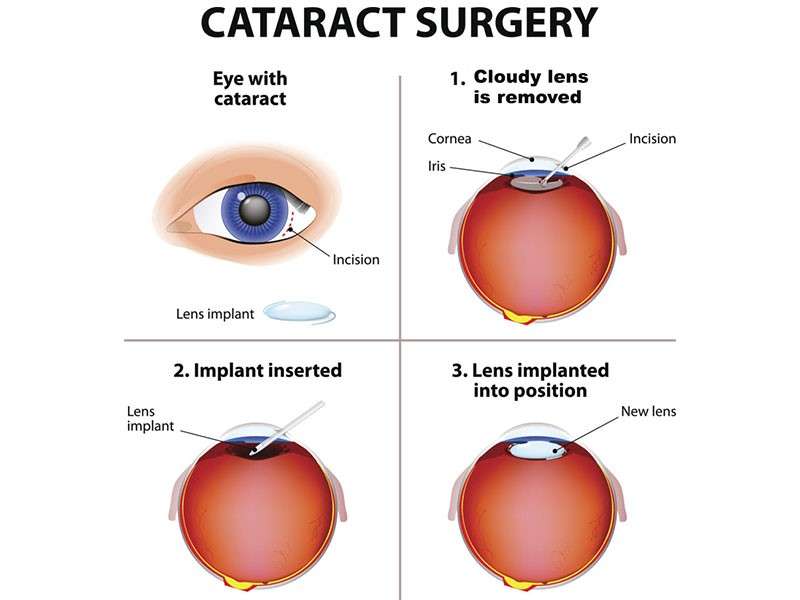
Cataracts are a common vision problem, particularly in older adults. They occur when the natural lens of the eye becomes cloudy, leading to blurred vision and other visual impairments.
- Symptoms: Common signs include faded colors, difficulty seeing at night, and double vision.
- Diagnosis: An ophthalmologist conducts a comprehensive eye exam to assess vision clarity and lens condition using specialized instruments.
- Treatment Options: The most effective treatment is cataract surgery, which involves removing the cloudy lens and replacing it with an artificial one.
- Post-Surgery Care: Recovery typically includes follow-up appointments to ensure healing and monitor for potential complications.
If you experience symptoms related to cataracts, consult an ophthalmologist for evaluation and appropriate management.