
Dr Agarwal
About Me
Dr Agarwal
MD
Dermatologist
10 Years Experience
Biography
My Clinic
OPD Hours
| Monday | Morning | 10:00 AM | - | 02:00 PM |
| Evening | 06:00 PM | - | 09:00 PM | |
| Tuesday | Morning | 10:00 AM | - | 02:00 PM |
| Evening | 06:00 PM | - | 09:00 PM | |
| Wednesday | Morning | 10:00 AM | - | 02:00 PM |
| Evening | 06:00 PM | - | 09:00 PM | |
| Thursday | Morning | 10:00 AM | - | 02:00 PM |
| Evening | 06:00 PM | - | 09:00 PM | |
| Friday | Morning | 10:00 AM | - | 02:00 PM |
| Evening | 06:00 PM | - | 09:00 PM | |
| Saturday | Morning | 10:00 AM | - | 02:00 PM |
| Evening | 06:00 PM | - | 09:00 PM | |
| Sunday | Morning | 10:00 AM | - | 02:00 PM |
| Evening | 06:00 PM | - | 09:00 PM |
Treatments
Specialised care and treatments offered
WARTS
A wart is caused by human papillomavirus (HPV) infection leading to small benign growths predominantly seen on hands/feet though other body areas might be involved too across different age groups including children/adults alike.
SKIN CANCER SCREENING
A vital preventive measure involves regular screenings for skin cancer. Early detection significantly improves treatment outcomes for conditions like melanoma which can be life-threatening if not caught early enough.
- (
“
•
Symptoms
)A: Possible signs include new growths changing color/size over time.
- - Causes: Chronic sun exposure increases risk factors alongside fairer skin tones being more susceptible.
- Diagnosis: Dermatologists utilize visual examinations paired with dermatoscopy techniques assessing possible abnormalities while conducting biopsies where warranted.
- Treatment Options: Depending on findings various options such as excision surgery plus Mohs micrographic surgery address identified cancers.
-
MELASMA
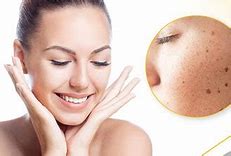
This common skin condition is marked by brown or gray-brown patches on sun-exposed areas of the skin. Melasma is particularly prevalent in women during pregnancy or those taking birth control pills due to hormonal changes.
- Symptoms: Typically presents as symmetrical patches on the cheeks, forehead, chin or above the lip area without causing any discomfort or pain.
- Causes: Ultraviolet (UV) light exposure from sunlight is a major trigger alongside genetic predisposition and hormonal fluctuations associated with pregnancy or contraceptive use.
- Diagnosis: Diagnosis usually involves a visual examination by a dermatologist; sometimes specialized tools help rule out other causes of pigmentation changes.
The prognosis generally remains positive if patients adhere strictly to protective measures against UV exposure along with suggested treatments. Regular follow-ups can enhance outcomes significantly for individuals seeking clearer complexions affected by melasma.
ECZEMA
Eczema is an inflammatory skin condition characterized by itchy, red patches. It can manifest at any age but is prevalent in childhood.
- Symptoms: Itching is often severe; areas may also appear dry or leathery and may ooze when scratched excessively.
- Causes: Genetic factors play a significant role; environmental triggers include allergens like dust mites or soaps and irritants such as wool or synthetic fabrics.
- Diagnosis: Diagnosis primarily involves assessing symptoms along with personal and family medical history during a consultation with a dermatologist.
- Treatment Options: Management strategies comprise moisturizing creams to hydrate the skin, topical steroids to reduce inflammation, and avoiding known triggers.
Effective management aims not only to relieve the immediate symptoms but also to minimize flare-ups in daily life for individuals suffering from eczema.
PSORIASIS
This chronic autoimmune condition leads to rapid skin cell growth resulting in thick, scaly patches on the skin. Psoriasis can occur at any age but often appears in early adulthood.
- Symptoms: Common signs include red patches covered with thick silvery scales, dry cracked skin that may bleed, itching or burning sensations.
- Causes: Triggers include stress, infections, skin injuries, and certain medications.
- Diagnosis: Dermatologists typically diagnose psoriasis through physical exams; sometimes a biopsy may be performed for clarification.
- Treatment Options: Options include topical treatments (steroids), phototherapy (light therapy), and systemic medications that affect the entire body.
- What to Expect: While there’s no cure for psoriasis, effective management can significantly reduce symptoms and improve quality of life through tailored treatment plans.
A comprehensive approach to this condition enhances understanding and personal coping strategies for patients living with psoriasis.
ACNE
Acne is a common skin condition that affects individuals of all ages, particularly during adolescence. It occurs when hair follicles become clogged with oil and dead skin cells, leading to inflammation.
- Symptoms: These can include pimples, blackheads, and cysts that may appear on the face, shoulders, back, and chest.
- Causes: Hormonal changes, excess oil production, certain medications, and bacteria are among the primary contributors.
- Diagnosis: A dermatologist usually assesses the skin through visual examination and may inquire about medical history.
- Treatment Options: Management can involve topical treatments like benzoyl peroxide or retinoids, oral medications such as antibiotics or hormonal therapies, and procedures like chemical peels.
- What to Expect: With consistent treatment, most patients see improvement in their condition within a few weeks. It's essential to follow the prescribed regimen for the best results.
Understanding acne allows for better management strategies and improved self-esteem for those affected by it.