
Dr Achyut Trived
About Me
Dr Achyut Trived
MD
Neurologist
Biography
My Clinic
OPD Hours
| Monday | Morning | 10:00 AM | - | 02:00 PM |
| Evening | 06:00 PM | - | 09:00 PM | |
| Tuesday | Morning | 10:00 AM | - | 02:00 PM |
| Evening | 06:00 PM | - | 09:00 PM | |
| Wednesday | Morning | 10:00 AM | - | 02:00 PM |
| Evening | 06:00 PM | - | 09:00 PM | |
| Thursday | Morning | 10:00 AM | - | 02:00 PM |
| Evening | 06:00 PM | - | 09:00 PM | |
| Friday | Morning | 10:00 AM | - | 02:00 PM |
| Evening | 06:00 PM | - | 09:00 PM | |
| Saturday | Morning | 10:00 AM | - | 02:00 PM |
| Evening | 06:00 PM | - | 09:00 PM | |
| Sunday | Morning | 10:00 AM | - | 02:00 PM |
| Evening | 06:00 PM | - | 09:00 PM |
Treatments
Specialised care and treatments offered
STROKE EVALUATION
A stroke occurs when blood supply to part of the brain is interrupted or severely reduced. Timely evaluation following symptoms is crucial for better outcomes.
- Symptoms : Signs include sudden numbness on one side of the face/arm/leg along with confusion; speech difficulties must provoke immediate attention.
- Risk Factors : Ageing process combined with hypertension & diabetes largely increases vulnerability toward experiencing strokes.
- Diagnostics Approach
Your swift response could mean difference - If anyone observes mentioned symptoms don't hesitate seeking immediate medical evaluation as every moment matters!
ALZHEIMER'S DISEASE
This progressive form of dementia affects memory and cognitive function. Alzheimer’s is known for causing gradual memory loss combined with challenges in thinking skills over time.
- Symptoms : Initial signs often include forgetfulness followed by difficulties in familiar tasks; mood changes are also common.
- Causes : While age remains a significant factor contributing towards increased incidence rates,
- Diagnosis : Physicians rely on cognitive tests along with imaging techniques such as MRI or CT scans which help monitor brain changes associated with Alzheimer's.
- Treatment Options : Currently available treatments focus more on symptom management rather than curing it – cholinesterase inhibitors being prime examples aimed at improving memory function temporarily.
- Coping Strategies : Engaging families support structures while learning about daily routines benefits not only patients but caregivers too!
Early detection enables intervention measures enhancing independence significantly , thus making education crucial within this context!
PARKINSON'S DISEASE
This progressive neurological disorder primarily affects movement control. It occurs due to degeneration of neurons responsible for producing dopamine in the brain.
- Symptoms: Key symptoms include tremors at rest, stiffness in limbs, slowed movement (bradykinesia), and postural instability.
- Causation factors: While genetics can influence risk, environmental factors may also contribute to its onset in some individuals.
- The diagnosis hinges on clinical evaluation based on motor symptoms; further tests may be employed when necessary.
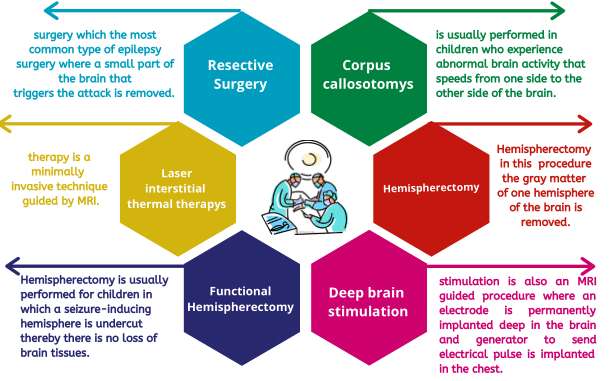
- Medications such as levodopa help manage symptoms effectively while advanced cases might explore surgical options like deep brain stimulation.
- Beyond medication management,
rehabilitation therapies including physical therapy support mobility enhancements while counseling offers emotional assistance as needed.
A collaborative effort between healthcare professionals helps ensure optimal quality of life for those affected by Parkinson's Disease through ongoing support systems!
MULTIPLE SCLEROSIS (MS)
Multiple Sclerosis is a chronic disease affecting the central nervous system. It disrupts communication between the brain and the body due to damage to nerve fibers' protective sheath (myelin).
- Symptoms: Symptoms vary widely but may include fatigue, difficulty walking, numbness, or vision problems.
- Causes: The exact cause remains unclear; however, autoimmune responses are believed to play a role in damaging myelin.
- Diagnosis: A neurologist typically conducts MRI scans alongside neurological examinations to identify lesions indicative of MS.
- Treatment options: Treatments aim at slowing progression through disease-modifying therapies and managing symptoms via corticosteroids or physical therapy.
- Lifestyle modifications: Positive lifestyle changes can enhance overall well-being for individuals living with MS.
A comprehensive care plan tailored to individual needs is essential for managing Multiple Sclerosis effectively.
MIGRAINE
Migraine is a prevalent type of headache that often presents with intense pain, typically on one side of the head. It can be accompanied by nausea or sensitivity to light and sound.
- Symptoms: Symptoms may include severe pulsing or throbbing pain, visual disturbances (aura), and fatigue.
- Triggers: Common triggers include hormonal changes, certain foods, stress, and lack of sleep.
- Diagnosis: Diagnosis relies on patient history and symptom description; neuroimaging might be used to rule out other conditions.
- Treatment: Options range from over-the-counter pain relievers to prescription medications for acute attacks and preventive strategies.
- Management: Keeping a migraine diary can help identify triggers and improve management strategies over time.
An individualized approach to treatment can significantly reduce the frequency and severity of migraine attacks.
EPILEPSY
Epilepsy is a neurological disorder characterized by recurrent seizures. These episodes are caused by sudden, abnormal electrical activity in the brain, disrupting normal functioning.
- Symptoms: Common symptoms include convulsions, loss of consciousness, and unusual sensations.
- Causes: Epilepsy may result from genetic factors, head injuries, or structural changes in the brain.
- Diagnosis: A thorough evaluation often includes a neurological exam, an EEG to track brain activity, and imaging tests like MRI.
- Treatment: Management options typically involve antiepileptic medications and sometimes lifestyle adjustments to minimize triggers.
- Expectations: Many individuals can lead full lives with effective management; however, ongoing monitoring is essential for those living with epilepsy.
Understanding epilepsy can empower patients to seek appropriate treatment and maintain a high quality of life.