
Dr Achchhe LAL Na
About Me
Dr Achchhe LAL Na
MBBS
Diabetologist
10 Years Experience
Biography
My Clinic
OPD Hours
| Monday | Morning | 10:00 AM | - | 02:00 PM |
| Evening | 06:00 PM | - | 09:00 PM | |
| Tuesday | Morning | 10:00 AM | - | 02:00 PM |
| Evening | 06:00 PM | - | 09:00 PM | |
| Wednesday | Morning | 10:00 AM | - | 02:00 PM |
| Evening | 06:00 PM | - | 09:00 PM | |
| Thursday | Morning | 10:00 AM | - | 02:00 PM |
| Evening | 06:00 PM | - | 09:00 PM | |
| Friday | Morning | 10:00 AM | - | 02:00 PM |
| Evening | 06:00 PM | - | 09:00 PM | |
| Saturday | Morning | 10:00 AM | - | 02:00 PM |
| Evening | 06:00 PM | - | 09:00 PM | |
| Sunday | Morning | 10:00 AM | - | 02:00 PM |
| Evening | 06:00 PM | - | 09:00 PM |
Treatments
Specialised care and treatments offered
INSULIN THERAPY MANAGEMENT
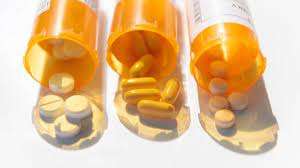
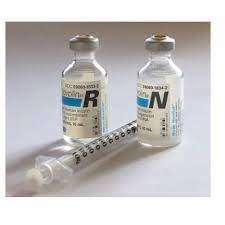
The use of insulin remains a cornerstone treatment for many individuals living with diabetes who cannot maintain adequate glucose control through oral medications alone. Proper management optimizes effectiveness while reducing side effects risks such as hypoglycemia.
GESTATIONAL DIABETES MELLITUS
This form of diabetes develops during pregnancy due to hormonal changes influencing insulin effectiveness. Managing it carefully protects both mother’s and baby's health throughout gestation.
- Main features & detection: Usually diagnosed through screening tests between 24-28 weeks gestation showing elevated glucose tolerance test results without prior history of diabetes;
DIABETIC FOOT ULCERS
An important complication resulting from long-term diabetes involves foot ulcers caused by nerve damage and poor circulation. These wounds have a high risk of infection if untreated promptly.
- Causative factors & manifestations: Neuropathy leads to loss of sensation making minor injuries go unnoticed; poor blood flow slows healing causing persistent ulcers typically on pressure points of feet.
- Diagnosis process: Physical examination combined with assessing vascular status through Doppler studies helps understand ulcer severity and underlying causes clearly.
- Treatment options: Wound care includes cleaning infected tissues carefully, offloading pressure through special footwear or devices; antibiotics may be prescribed for bacterial infections. In advanced cases surgical intervention might be necessary.
- The importance of prevention: Daily foot inspections along with glycemic control reduces ulcer incidence dramatically by identifying problems early before they worsen substantially.
If left unchecked diabetic foot ulcers can lead to serious outcomes including amputation hence timely expert care is essential for favorable results.
HYPOGLYCEMIA
Hypoglycemia refers to abnormally low blood sugar levels that can cause various symptoms requiring immediate attention. It frequently occurs in people undergoing treatment for diabetes when insulin or medications lower glucose excessively.
- Common signs: Sweating, trembling, dizziness, hunger sensations, irritability or confusion are typical indicators of hypoglycemia needing prompt action.
- Identification methods: Finger-prick tests measuring blood sugar below 70 mg/dL confirm diagnosis rapidly at home or clinic settings.
- Treatment strategies: Mild cases respond well to fast-acting carbohydrates like fruit juice or glucose tablets. Severe episodes may necessitate emergency glucagon injections or intravenous dextrose administration in hospital environments.
- Avoidance advice: Regular monitoring of glucose levels combined with balanced meal planning helps prevent occurrences by aligning medication dosing with lifestyle patterns effectively.
Cautious management of hypoglycemia ensures safety while maintaining optimal diabetic control over time.
HYPEROSMOLAR HYPERGLYCEMIC STATE (HHS)
This condition is a severe metabolic complication mainly seen in type 2 diabetes patients. It stems from extremely high blood glucose levels without significant ketoacidosis but causes profound dehydration and altered mental status.
- Symptoms and risk factors: Patients often present with extreme thirst, dry mouth, confusion, weakness, and sometimes seizures. Elderly individuals are particularly vulnerable.
- Diagnostic criteria: Elevated plasma glucose over 600 mg/dL with increased serum osmolarity; minimal ketone presence differentiates it from DKA.
- Treatment modalities: Hospital admission for aggressive fluid replacement is critical alongside careful electrolyte management and insulin therapy to safely reduce glucose levels.
- Prognosis considerations: HHS has a higher mortality than DKA due to delayed recognition; therefore early detection and treatment significantly improve survival rates.
A clear understanding of symptoms and swift medical attention are necessary steps to prevent this diabetic emergency from becoming fatal.
DIABETIC KETOACIDOSIS (DKA)
Diabetic Ketoacidosis is a serious and potentially life-threatening complication often seen in patients with diabetes. It occurs when the body starts breaking down fat at an excessive rate, leading to high acid levels in the blood.
- Causes and symptoms: Common triggers include infections, missed insulin doses, or severe illness. Symptoms typically involve excessive thirst, frequent urination, nausea, abdominal pain, rapid breathing, and confusion.
- Diagnosis: Blood tests reveal high blood sugar, ketones in urine or blood, and acidosis confirmed by arterial blood gas analysis.
- Treatment approach: Immediate hospitalization is usually required. Treatment includes intravenous fluids to combat dehydration, electrolyte correction especially potassium levels, and insulin administration to lower blood glucose and stop ketone production.
- Expectations during recovery: Patients are closely monitored in an intensive care setting until metabolic balance is restored. Early intervention generally leads to good outcomes but delays increase risks significantly.
Recognizing early signs of DKA and seeking prompt medical care greatly improves recovery chances and prevents complications.