
Dr Abhishek Srivastava
About Me
Dr Abhishek Srivastava
MBBS
General Physician
10 Years Experience
Biography
My Clinic
OPD Hours
| Monday | Morning | 10:00 AM | - | 02:00 PM |
| Evening | 06:00 PM | - | 09:00 PM | |
| Tuesday | Morning | 10:00 AM | - | 02:00 PM |
| Evening | 06:00 PM | - | 09:00 PM | |
| Wednesday | Morning | 10:00 AM | - | 02:00 PM |
| Evening | 06:00 PM | - | 09:00 PM | |
| Thursday | Morning | 10:00 AM | - | 02:00 PM |
| Evening | 06:00 PM | - | 09:00 PM | |
| Friday | Morning | 10:00 AM | - | 02:00 PM |
| Evening | 06:00 PM | - | 09:00 PM | |
| Saturday | Morning | 10:00 AM | - | 02:00 PM |
| Evening | 06:00 PM | - | 09:00 PM | |
| Sunday | Morning | 10:00 AM | - | 02:00 PM |
| Evening | 06:00 PM | - | 09:00 PM |
Treatments
Specialised care and treatments offered
ANEMIA EVALUATION
Anemia is characterized by reduced red blood cell count leading to decreased oxygen delivery throughout the body. Identifying the type and cause of anemia is crucial for effective treatment.
- Main Symptoms: Fatigue, pallor, shortness of breath during exertion are commonly observed signs of anemia.
- Diagnostic Tests: Blood tests including complete blood count (CBC) reveal hemoglobin levels; additional tests may determine specific types of anemia!
- '
THYROID FUNCTION TESTING
The thyroid gland plays a critical role in regulating metabolism and energy levels. Thyroid function testing helps identify disorders like hypothyroidism or hyperthyroidism.
- Symptoms: Abnormal thyroid function can manifest as fatigue, weight fluctuations, mood changes, or temperature sensitivity.
- Causative Factors: Autoimmune diseases or iodine deficiency are common factors influencing thyroid health.
- A Diagnostic Approach: Blood tests measuring TSH (Thyroid Stimulating Hormone) along with T3 and T4 hormone levels are standard practices in diagnosing thyroid dysfunctions.
- Treatment Options: Depending on results, treatment could involve hormone replacement therapy or medication to manage excess hormone production.
A comprehensive evaluation ensures appropriate interventions based on individual thyroid health needs.
DIABETES SCREENING

Diabetes screening is essential for early detection and effective management of diabetes mellitus. Early diagnosis can prevent serious complications associated with high blood sugar levels.
- Signs: Common symptoms include frequent urination, excessive thirst, fatigue, and blurred vision.
- Diagnosis: A simple blood test measures glucose levels; hemoglobin A1c tests provide information on average blood sugar over several months.
- Treatment Options: Depending on the type of diabetes diagnosed (Type 1 or Type 2), management may involve lifestyle changes, oral medications, or insulin therapy.
- Lifestyle Changes: Regular physical activity and balanced nutrition play crucial roles in managing diabetes effectively.
An effective management plan tailored to individual needs improves quality of life for those living with diabetes.
HYPERTENSION MANAGEMENT
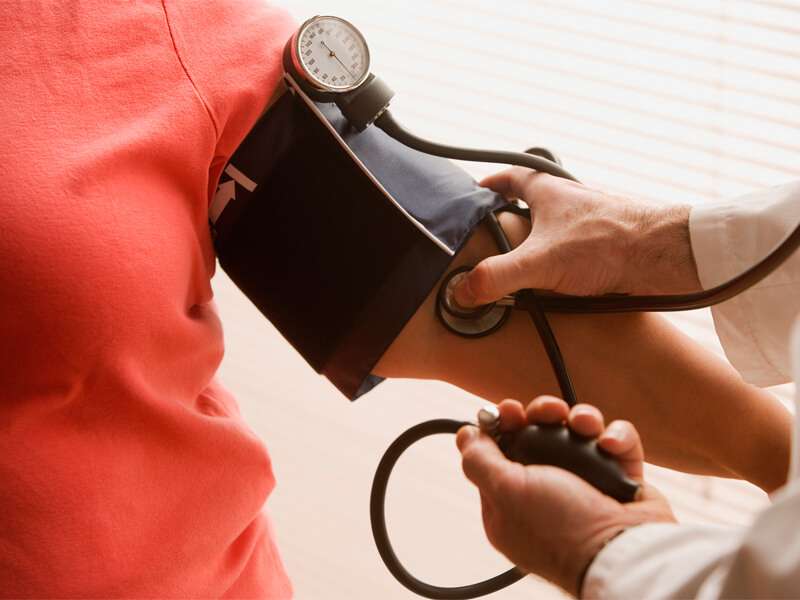
Hypertension, often referred to as high blood pressure, is a common condition that can lead to severe health complications if left untreated. Recognizing and managing hypertension is crucial for maintaining overall cardiovascular health.
- Symptoms: Many individuals may not exhibit noticeable symptoms, but some might experience headaches, dizziness, or nosebleeds.
- Causes: Factors contributing to hypertension include genetics, poor diet, physical inactivity, and excessive alcohol consumption.
- Diagnosis: Blood pressure measurements taken during routine check-ups help diagnose this condition; it may require multiple readings for confirmation.
- Treatment: Management options include lifestyle changes such as dietary adjustments and increased exercise, alongside medications when necessary.
- What to Expect: Regular monitoring of blood pressure levels is vital, and individuals may need adjustments in their treatment plan over time to maintain optimal control.
Proactive management of hypertension can significantly reduce the risk of heart disease and stroke.