
Dr Abhishek Pande
About Me
Dr Abhishek Pande
MBBS
Cardiologist
10 Years Experience
Biography
My Clinic
OPD Hours
| Monday | Morning | 10:00 AM | - | 02:00 PM |
| Evening | 06:00 PM | - | 09:00 PM | |
| Tuesday | Morning | 10:00 AM | - | 02:00 PM |
| Evening | 06:00 PM | - | 09:00 PM | |
| Wednesday | Morning | 10:00 AM | - | 02:00 PM |
| Evening | 06:00 PM | - | 09:00 PM | |
| Thursday | Morning | 10:00 AM | - | 02:00 PM |
| Evening | 06:00 PM | - | 09:00 PM | |
| Friday | Morning | 10:00 AM | - | 02:00 PM |
| Evening | 06:00 PM | - | 09:00 PM | |
| Saturday | Morning | 10:00 AM | - | 02:00 PM |
| Evening | 06:00 PM | - | 09:00 PM | |
| Sunday | Morning | 10:00 AM | - | 02:00 PM |
| Evening | 06:00 PM | - | 09:00 PM |
Treatments
Specialised care and treatments offered
PEDIATRIC KAWASAKI DISEASE CARE

Kawasaki disease is an inflammatory syndrome primarily affecting young children which can involve the coronary arteries causing lasting cardiac complications without timely intervention.
- Clinical Features & Etiology: Persistent fever , rash , swollen hands/feet , conjunctivitis ; cause unknown but believed related to immune response triggered by infection.
- Diagnostic Criteria: Based on clinical presentation augmented with laboratory markers indicating inflammation .
- Management Protocols: Intravenous immunoglobulin (IVIG) administration within first 10 days reduces coronary artery aneurysm risk ; aspirin therapy used concurrently.
- Follow-Up Considerations: Children monitored via echocardiography post-treatment ensuring no cardiac involvement persists .
Early recognition coupled with prompt treatment dramatically lowers adverse cardiovascular effects from this disease in children .
HEART FAILURE MANAGEMENT
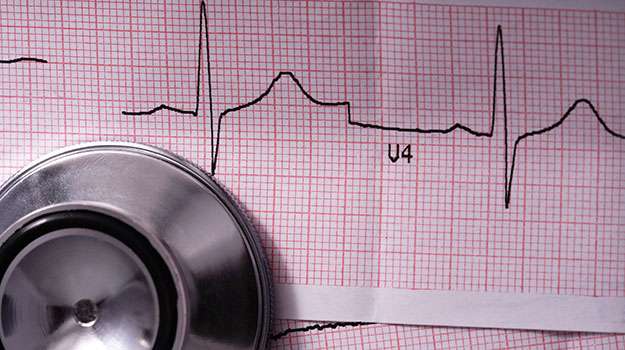
This chronic condition occurs when the heart cannot pump sufficient blood to meet the body’s needs. It calls for meticulous coordination between medication adherence and lifestyle adjustments for optimal outcomes.
- Syndrome Characteristics & Warning Signs: Symptoms encompass breathlessness during activities or rest, swelling in lower limbs, fatigue due to reduced cardiac output causes like ischemic damage or hypertension-related remodeling).
- Diagnostic Tools: Echocardiograms assess ventricular function while blood tests can evaluate biomarkers indicative of failure severity.
- Therapeutic Measures: Include diuretics for fluid overload relief , ACE inhibitors , beta-blockers , device therapies like pacemakers depending on etiology.
- Patient Monitoring: Regular clinical visits ensure adjustment of regimens based on symptom progression , supporting better prognosis .
Proper management empowers patients living with heart failure towards improved daily functioning .
CORONARY ARTERY DISEASE TREATMENT
The narrowing or blockage of coronary arteries restricts oxygen-rich blood flow to the heart muscle leading to chest pain or more severe events like myocardial infarction. Prompt care is vital for preservation of cardiac function.
- Main Symptoms & Risk Factors: Chest discomfort during exertion, fatigue; caused primarily by atherosclerosis due to smoking, diabetes, high cholesterol.
- Diagnosis Methods: Stress tests, coronary angiography provide insight into artery blockages' location and severity.
- Treatment Modalities: Include lifestyle changes, medications such as antiplatelets or statins, angioplasty with stenting or bypass surgery depending on disease extent.
- The Road Ahead: Ongoing management includes cardiac rehabilitation programs focusing on exercise tolerance and risk reduction education.
A comprehensive treatment plan helps reduce symptoms and improves patients’ quality of life significantly over time.
HYPERTENSION CONTROL
High blood pressure is a prevalent cardiovascular condition that increases the risk of serious events like stroke and heart attack if left unmanaged. Controlling it is key to long-term heart health.
- Causative Factors & Symptoms: Often asymptomatic initially; risk factors include obesity, sedentary lifestyle, high salt intake, and genetic predisposition.
- Diagnostic Evaluation: Regular blood pressure measurements over multiple visits confirm diagnosis; additional tests assess organ impact.
- Treatment Strategies: Lifestyle modifications such as diet changes and exercise form the cornerstone alongside prescribed antihypertensive drugs when necessary.
- Lifestyle Expectations: Patients should engage in ongoing monitoring and adhere closely to therapy plans for effective control.
A proactive approach aids in preventing complications associated with prolonged elevated blood pressure levels.
CONGENITAL HEART DEFECTS IN CHILDREN
Congenital heart defects are structural problems in the heart present from birth. Early detection is crucial for successful intervention and healthy development.
- Symptoms & Causes: Signs include cyanosis (bluish skin), rapid breathing, poor feeding; these defects arise due to abnormal fetal heart development.
- Diagnosis: Echocardiography provides detailed images of the heart's structure; pulse oximetry screening can detect oxygen levels in newborns.
- Treatment Approaches: Depending on severity, treatments range from medication management to corrective surgeries performed during infancy or early childhood.
- Outlook: Many children lead normal lives after treatment but need ongoing cardiac evaluations throughout growth stages.
A dedicated approach to diagnosis and care supports healthy outcomes for children affected by congenital heart anomalies.
ATRIAL FIBRILLATION MANAGEMENT
Atrial fibrillation is a common heart rhythm disorder characterized by irregular and often rapid heartbeat. This condition can lead to complications such as stroke if not properly managed.
- Symptoms & Causes: Patients may experience palpitations, fatigue, dizziness, or shortness of breath; causes include high blood pressure, heart valve issues, and excessive alcohol intake.
- Diagnosis: Electrocardiogram (ECG) and Holter monitoring help identify irregular rhythms and frequency of episodes.
- Treatment Options: These range from medications to control heart rate or rhythm, anticoagulants to reduce stroke risk, and procedures like catheter ablation.
- What to Expect: Regular follow-ups are essential to adjust treatments and monitor for potential complications.
With effective management strategies, individuals with atrial fibrillation can maintain a good quality of life and minimize health risks.