
Dr Abhinav Panday
About Me
Dr Abhinav Panday
MS
General Surgeons
10 Years Experience
Biography
My Clinic
OPD Hours
| Monday | Morning | 10:00 AM | - | 02:00 PM |
| Evening | 06:00 PM | - | 09:00 PM | |
| Tuesday | Morning | 10:00 AM | - | 02:00 PM |
| Evening | 06:00 PM | - | 09:00 PM | |
| Wednesday | Morning | 10:00 AM | - | 02:00 PM |
| Evening | 06:00 PM | - | 09:00 PM | |
| Thursday | Morning | 10:00 AM | - | 02:00 PM |
| Evening | 06:00 PM | - | 09:00 PM | |
| Friday | Morning | 10:00 AM | - | 02:00 PM |
| Evening | 06:00 PM | - | 09:00 PM | |
| Saturday | Morning | 10:00 AM | - | 02:00 PM |
| Evening | 06:00 PM | - | 09:00 PM | |
| Sunday | Morning | 10:00 AM | - | 02:00 PM |
| Evening | 06:00 PM | - | 09:00 PM |
Treatments
Specialised care and treatments offered
LAPAROSCOPIC SLEEVE GASTRECTOMY
Laparoscopic sleeve gastrectomy assists individuals struggling with obesity by reducing stomach size and limiting food intake. This minimally invasive technique helps facilitate long-term weight loss solutions while improving overall health outcomes related to obesity-related diseases
- Symptoms frequently include difficulty managing weight despite diet efforts alongside comorbidities such as diabetes type 2 ; these guide recommendations towards surgical intervention .
- Diagnostics frequently utilize clinical evaluations , BMI calculations , screenings assessing motivations eligibility undergoing weight-loss surgeries .
- During this procedure , approximately 80%of stomach volume gets removed ; leaving behind a narrow “sleeve” promotes satiety decreasing hunger experienced naturally .
- Recovery focuses heavily on diet modifications initially followed under professional supervision establishing nutritional habits ensuring success maintains healthy lifestyle postoperatively over time .
Individuals experiencing proven results often uncover renewed motivation embracing healthier lives after completed gastric surgeries achieving noticeable transformations structurally individually both physically mentally .
THYROIDECTOMY

A thyroidectomy is performed when there are disorders affecting the thyroid gland, including nodules or cancer. The thyroid plays a pivotal role in metabolic regulation by producing essential hormones.
- Symptoms may involve visible swelling at the base of the neck along with changes in weight management or energy levels indicative of hormonal imbalance.
- Diagnosis primarily relies on ultrasound imaging and lab tests measuring hormone levels alongside needle biopsies for suspicious growths.
- The procedure can be total (removing all thyroid tissue) or partial (removing part), with advanced techniques minimizing scarring.
- Following surgery, patients are monitored closely and may require lifelong medication to balance hormone levels post-removal thereof
Caring for patients throughout their journey ensures comprehensive management before and after this significant operation
BOWEL RESECTION
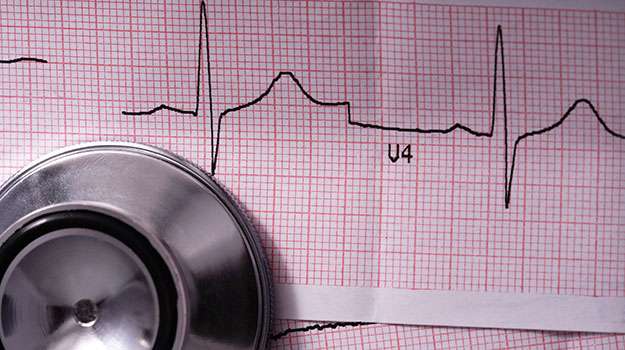
Bowel resection refers to the surgical removal of a segment of the intestine due to conditions like cancer, Crohn's disease, or obstruction. It aims to remove diseased portions while preserving healthy bowel function.
- The symptoms prompting surgery often include chronic abdominal pain, changes in bowel habits, or unexplained weight loss linked with underlying diseases.
- Diagnosis might involve blood tests and imaging studies such as CT scans for assessment of disease extent.
- Surgical options vary but generally involve laparoscopic approaches for reduced recovery times; some cases may require open surgery depending on complexity
- Post-operative expectations include staying in hospital for monitoring before transitioning back home with guidance on diet and activity levels based on individual health status.
This intervention can dramatically improve quality of life for those suffering from serious intestinal conditions.
CHOLECYSTECTOMY
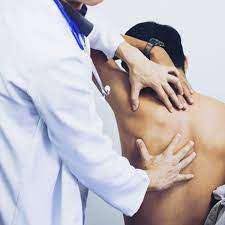
This procedure involves the removal of the gallbladder, which is often required due to gallstones causing pain or infections. The gallbladder's primary function is to store bile that aids in digestion.
- Common signs indicating gallbladder issues include sharp abdominal pain, particularly after meals rich in fats, as well as bloating and indigestion.
- A healthcare provider typically diagnoses gallbladder problems through ultrasounds or HIDA scans to assess bile flow.
- Treatment mainly includes laparoscopic cholecystectomy which allows faster recovery with minimal scarring compared to traditional open surgery.
- Upon recovery, most individuals can lead normal lives without dietary restrictions post-surgery.
This procedure significantly alleviates symptoms associated with gallbladder dysfunction.
HERNIA REPAIR
A hernia repair surgery addresses an abnormal bulge that occurs when an organ or tissue pushes through the abdominal wall. Hernias can result from factors such as heavy lifting, obesity, or congenital defects.
- The most common symptoms include a visible lump in the affected area and discomfort during physical activities.
- Diagnosis is usually made through physical examinations; imaging may be used for confirmation.
- Surgical options include open surgery or laparoscopic techniques to return the protruding tissue back into place and reinforce the abdominal wall.
- Post-operative care involves rest and gradually increasing activity levels to ensure proper healing.
Most patients experience relief from symptoms following successful hernia repair.
APPENDECTOMY
Appendectomy is a surgical procedure performed to remove the appendix, a small pouch connected to the large intestine. This surgery is commonly necessary in cases of acute appendicitis, which can be life-threatening if not treated promptly.
- Symptoms of appendicitis typically include severe abdominal pain, nausea, vomiting, and loss of appetite.
- The diagnosis is often made through a physical examination and imaging tests like an ultrasound or CT scan.
- Treatment usually involves surgical removal of the appendix, and in some cases, antibiotics may be administered prior to surgery.
- Patients can expect a recovery period which may range from a few days to several weeks depending on the surgical approach taken.
Prompt treatment is crucial for preventing complications such as perforation or infection.