
Dr Abhinav Gupta
About Me
Dr Abhinav Gupta
MBBS
General Physician
10 Years Experience
Biography
My Clinic
OPD Hours
| Monday | Morning | 10:00 AM | - | 02:00 PM |
| Evening | 06:00 PM | - | 09:00 PM | |
| Tuesday | Morning | 10:00 AM | - | 02:00 PM |
| Evening | 06:00 PM | - | 09:00 PM | |
| Wednesday | Morning | 10:00 AM | - | 02:00 PM |
| Evening | 06:00 PM | - | 09:00 PM | |
| Thursday | Morning | 10:00 AM | - | 02:00 PM |
| Evening | 06:00 PM | - | 09:00 PM | |
| Friday | Morning | 10:00 AM | - | 02:00 PM |
| Evening | 06:00 PM | - | 09:00 PM | |
| Saturday | Morning | 10:00 AM | - | 02:00 PM |
| Evening | 06:00 PM | - | 09:00 PM | |
| Sunday | Morning | 10:00 AM | - | 02:00 PM |
| Evening | 06:00 PM | - | 09:00 PM |
Treatments
Specialised care and treatments offered
GASTROESOPHAGEAL REFLUX DISEASE (GERD)

This chronic digestive disorder requires proper attention due to discomfort associated with acid reflux. GERD occurs when stomach acid frequently flows back into the tube connecting your mouth and stomach (esophagus).
- Symptoms: Heartburn after meals , regurgitation , chest pain , difficulty swallowing are common indicators experienced by those suffering from GERD .
- Causes: Lifestyle habits such as overeating , consuming spicy foods combined with obesity increases likelihood development GERD symptoms .
- Diagnosis: Doctors may suggest upper endoscopy testing evaluate esophageal damage due reflux .
- Treatment: Management includes changing eating habits , losing weight , taking antacids prescription medications prescribed specialist .
- What To Expect : The goal treatment rests upon controlling symptom effectively preventing further complications arises.
SEASONAL ALLERGIES

The onset of seasonal allergies can be bothersome for many individuals. These reactions occur when the immune system overreacts to allergens such as pollen from trees or plants during certain times of the year.
- Symptoms: Common symptoms include sneezing, runny nose, itchy eyes, and congestion that can significantly impact daily activities.
- Causes: Seasonal allergies are primarily triggered by environmental factors like pollens from grass or flowers that peak at different times throughout the year.
- Diagnosis: An allergy test might be recommended by your healthcare provider to identify specific allergens affecting you.
- Treatment: Options often involve antihistamines or nasal sprays along with avoiding known triggers whenever possible.
- What to Expect: While symptoms may fluctuate seasonally depending on exposure levels you receive ongoing management assistance will improve your quality of life significantly .
Effective strategies such as preventing exposure coupled with proper medication ensure relief from seasonal allergic reactions
CHOLESTEROL MANAGEMENT
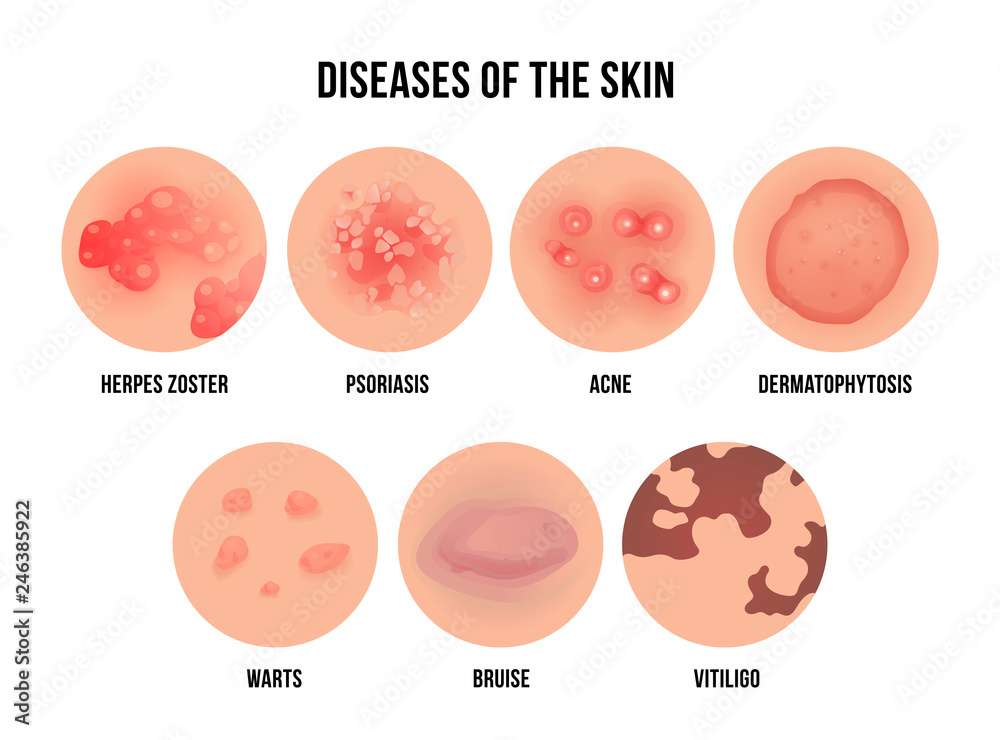
Hello! Managing cholesterol levels is essential for cardiovascular health. High cholesterol often presents no symptoms but increases the risk of heart disease over time. Understanding how to manage it effectively can lead to a healthier life.
- Symptoms: Typically asymptomatic; however, fatty deposits in skin or eyes might signal high cholesterol levels.
- Causes: Poor diet high in saturated fats and trans fats along with genetic factors may elevate cholesterol levels.
DIABETES MANAGEMENT
Managing diabetes effectively is crucial for maintaining overall health and preventing complications. This chronic condition affects how your body processes sugar (glucose), which is vital for energy production.
- Symptoms: Increased thirst, frequent urination, extreme fatigue, and blurred vision are common signs of diabetes that need attention.
- Causes: Diabetes can result from various factors including genetics, obesity, poor diet, and inactivity.
HYPERTENSION
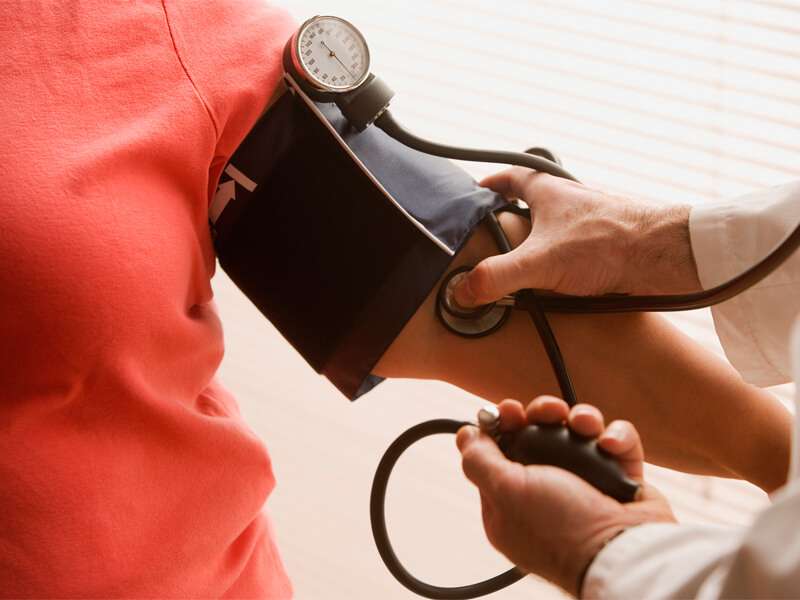
Hypertension, commonly known as high blood pressure, is a condition that can lead to serious health issues if left unmanaged. It often goes unnoticed, which is why it is sometimes called the 'silent killer'. Understanding hypertension is vital for early detection and effective management.
- Symptoms: Many people with hypertension experience no noticeable symptoms; however, headaches, shortness of breath, and nosebleeds may occur in some cases.
- Causes: Factors that contribute to hypertension include obesity, lack of physical activity, excessive salt intake, and genetic predisposition.
- Diagnosis: Blood pressure readings taken on multiple occasions will help confirm a diagnosis. A health professional may also suggest lab tests to rule out underlying conditions.
- Treatment: Management options include lifestyle changes such as dietary adjustments, increasing physical activity, and medication when necessary.
- What to Expect: With proper management and lifestyle changes, individuals can lead normal lives while keeping their blood pressure within a healthy range.
A proactive approach to monitoring and managing hypertension can significantly reduce the risk of heart disease and stroke.