
About Me
dr. abhijit patil
MBBS
Family Medicine
Biography
My Clinic
OPD Hours
| Tuesday | Morning | 10:00 AM | - | 02:00 PM |
| Evening | 06:00 PM | - | 09:00 PM | |
| Wednesday | Morning | 10:00 AM | - | 02:00 PM |
| Evening | 06:00 PM | - | 09:00 PM | |
| Thursday | Morning | 10:00 AM | - | 02:00 PM |
| Evening | 06:00 PM | - | 09:00 PM | |
| Friday | Morning | 10:00 AM | - | 02:00 PM |
| Evening | 06:00 PM | - | 09:00 PM | |
| Saturday | Morning | 10:00 AM | - | 02:00 PM |
| Evening | 06:00 PM | - | 09:00 PM | |
| Sunday | Morning | 10:00 AM | - | 02:00 PM |
| Evening | 06:00 PM | - | 09:00 PM | |
| Thursday | Morning | 10:00 AM | - | 02:00 PM |
| Evening | 06:00 PM | - | 09:00 PM |
Treatments
Specialised care and treatments offered
SKIN CONDITION ASSESSMENT
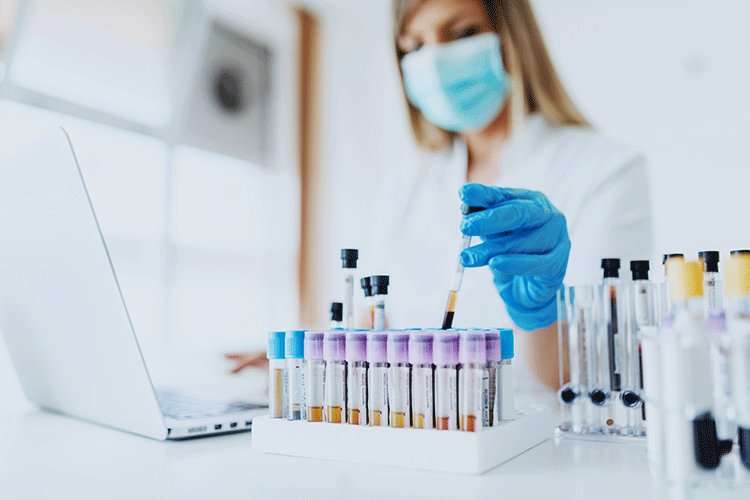
Understanding skin conditions is vital since they can range from benign irritations to serious dermatological issues requiring medical attention. Identifying these early improves management outcomes significantly
- Your skin might show signs like rashes or discoloration which could indicate underlying concerns needing immediate evaluation
- Diagnostic evaluations often include visual inspections followed by biopsies or allergy tests when necessary
- Management typically involves medicated topical treatments alongside lifestyle adjustments particularly emphasizing sun protection practices
- Informed patients tend to engage proactively toward their skincare routines ensuring improved results during follow-ups after interventions
Timely assessments keep skin healthy while alleviating discomforts associated with prevalent dermatologic disorders
ANNUAL HEALTH CHECK-UP
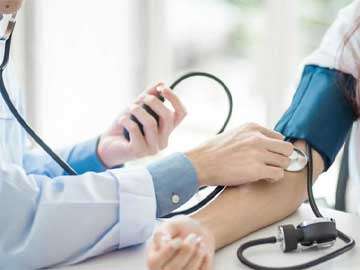
An annual health check-up serves as an essential tool for preventive care. Regular check-ups help identify potential health issues before they become more serious problems that require extensive intervention later on
- The assessments typically include blood pressure checks, cholesterol screenings, blood glucose tests, and other relevant analyses tailored to individual risk factors based on age and medical history.
- Your doctor may also perform physical examinations including assessments of weight, vision, hearing along with detailed discussions about personal habits impacting well-being
This comprehensive approach ensures that any emerging concerns get addressed promptly while promoting a lifelong commitment towards maintaining good health through awareness & prevention protocols established in partnership with your physician
THYROID FUNCTION TESTING

Thyroid function testing is important for diagnosing thyroid disorders that can affect metabolism and overall health. Conditions like hypothyroidism or hyperthyroidism can significantly impact daily life if undiagnosed.
- Symptoms may vary widely from fatigue and weight changes to mood swings and temperature sensitivity depending on whether the thyroid is underactive or overactive.
- The typical diagnosis involves blood tests measuring TSH (Thyroid Stimulating Hormone) along with T3 and T4 hormone levels.
- Treatment might involve hormone replacement therapy or medications aimed at regulating hormone production based on specific thyroid conditions identified during testing.
Having your thyroid function evaluated regularly ensures proper management of metabolic health challenges associated with these disorders.
CHOLESTEROL LEVEL EVALUATION
An evaluation of cholesterol levels is important for assessing cardiovascular risk. High cholesterol can build up in the arteries, leading to heart disease or stroke over time without clear warning signs.
- Symptoms are rarely evident; hence regular screening is crucial for identifying potential problems before they worsen.
- A simple blood test called a lipid panel measures total cholesterol, LDL (bad cholesterol), HDL (good cholesterol), and triglycerides.
- If high levels are detected, adjustments in diet along with medications such as statins may be recommended by your healthcare provider.
- Lifestyle interventions like increased physical activity and smoking cessation are also effective strategies in managing cholesterol levels.
Understanding your cholesterol levels empowers you to take charge of your heart health proactively.
DIABETES SCREENING
Screening for diabetes is vital as early detection can prevent serious health issues. This chronic condition affects how your body processes glucose, leading to various complications over time if not managed properly.
- Common symptoms include increased thirst, frequent urination, fatigue, and blurred vision.
- A fasting blood sugar test or A1C test is used to diagnose diabetes by measuring your glucose levels over time.
- Management may involve lifestyle changes such as improved nutrition and physical activity in addition to possible medication like metformin.
- Regular check-ups are essential for monitoring blood sugar levels and adjusting treatment plans as necessary.
- A support system comprising healthcare providers, family, and friends plays a crucial role in successful diabetes management.
Proactive screening can lead to better outcomes and quality of life for individuals at risk.
HYPERTENSION MANAGEMENT
Hypertension, commonly known as high blood pressure, is a condition that can lead to severe health complications if left untreated. It often has no noticeable symptoms but can be detrimental to the heart and blood vessels.
- The key symptoms include headaches, shortness of breath, and nosebleeds, although many people may experience none.
- Diagnosis typically involves measuring blood pressure using a sphygmomanometer during routine visits.
- Treatment options range from lifestyle changes, such as diet and exercise, to medications like diuretics and ACE inhibitors.
- Regular monitoring is crucial as it helps in assessing the effectiveness of the treatment plan.
- Managing stress levels and avoiding smoking can significantly reduce hypertension risks.
Effective management of hypertension is essential for maintaining overall cardiovascular health.