
Dr Abhay Singh J
About Me
Dr Abhay Singh J
MS
Orthopaedic Surgeons
10 Years Experience
Biography
My Clinic
OPD Hours
| Monday | Morning | 10:00 AM | - | 02:00 PM |
| Evening | 06:00 PM | - | 09:00 PM | |
| Tuesday | Morning | 10:00 AM | - | 02:00 PM |
| Evening | 06:00 PM | - | 09:00 PM | |
| Wednesday | Morning | 10:00 AM | - | 02:00 PM |
| Evening | 06:00 PM | - | 09:00 PM | |
| Thursday | Morning | 10:00 AM | - | 02:00 PM |
| Evening | 06:00 PM | - | 09:00 PM | |
| Friday | Morning | 10:00 AM | - | 02:00 PM |
| Evening | 06:00 PM | - | 09:00 PM | |
| Saturday | Morning | 10:00 AM | - | 02:00 PM |
| Evening | 06:00 PM | - | 09:00 PM | |
| Sunday | Morning | 10:00 AM | - | 02:00 PM |
| Evening | 06:00 PM | - | 09:00 PM |
Treatments
Specialised care and treatments offered
STRESS FRACTURES
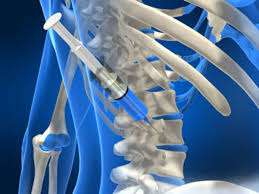
Stress fractures are small cracks in bones resulting from repetitive force or overuse,. Recognizing this injury early is essential for effective treatment before it worsens into a more serious issue.
- Symptoms often include localized pain during activity that improves with rest but returns upon resuming movement.
- Diagnosis involves physical examinations complemented by imaging such as X-rays or MRIs if needed for confirmation
- Treatment primarily focuses on rest requires ceasing activities that's causing stress on hard-to-heal areas whilst allowing time for recovery .
- Modifying training regimens & incorporating cross-training aim prevent re-injury after returning back/ strong >
- Follow throughout rehabilitation steps closely fosters adaptiveness leading successful return normal activities .
> Proper guidance enhances healing potential ensuring athletes stay informed risk factors involved doing whenever possible .
SHOULDER IMPINGEMENT SYNDROME

This condition occurs when shoulder tendons become irritated or inflamed due to excessive overhead activities. Awareness about its causes is crucial for prevention and management alike.
- Sufferers typically report shoulder pain that worsens with overhead lifting or reaching behind them.
- A comprehensive physical examination along with imaging techniques like MRI aids in accurate diagnosis of this syndrome.
- The management plan may involve anti-inflammatory medications, physical therapy focused on strengthening shoulder muscles, or even steroid injections if necessary.
- Consistency with prescribed exercises often leads to satisfactory outcomes without needing extensive interventions.
- Patients are encouraged to gradually return to their usual activities while avoiding movements that exacerbate their condition during recovery.
With diligent care and adherence to treatment protocols, individuals can overcome shoulder impingement syndrome effectively.Full recovery allows for improved function without persistent discomfort.
CARPAL TUNNEL SYNDROME

This condition arises from pressure on the median nerve within the wrist's carpal tunnel. Early recognition is vital for effective intervention to avoid long-term damage.
- The most common symptoms include numbness or tingling in the fingers, especially at night or during repetitive activities like typing.
- A thorough assessment involving clinical evaluation and sometimes nerve conduction studies helps confirm diagnosis.
- Treatment options include wrist splinting during sleep, corticosteroid injections to reduce inflammation, or surgical decompression if conservative measures fail.
- Certain ergonomic adjustments at work might also alleviate symptoms significantly over time.
- Patients can expect gradual improvement with appropriate therapy guidelines tailored to their needs.
If managed properly, individuals suffering from carpal tunnel syndrome can return to their normal activities with minimal disruption.
MENISCUS TEAR

A meniscus tear is an injury to the cartilage in the knee that can result from acute trauma or degeneration over time. Understanding this injury is key to effective management.
- Typical symptoms include knee pain during twisting movements, swelling, and difficulty straightening the knee fully.
- A physical examination combined with imaging studies such as MRI can confirm the diagnosis effectively.
- Treatment strategies range from resting, ice application, and physical therapy to surgical repair in more severe cases.
- The rehabilitation process often involves specific exercises aimed at restoring strength and mobility to the knee joint.
- An individualized recovery plan ensures optimal healing based on the severity of the tear.
A meniscus tear does not always require surgery; many patients find relief through conservative treatments when addressed promptly.
OSTEOPOROSIS SCREENING

The process of osteoporosis screening is crucial for early detection of bone density loss. This condition often progresses without symptoms until a fracture occurs, making preventive care essential.
- The condition may manifest through increased risk of fractures with little or no trauma.
- Diagnosis generally includes a bonescan, dual-energy X-ray absorptiometry (DEXA), which measures bone mineral density.
- Treatment can encompass medications that strengthen bones, alongside recommendations for dietary calcium and vitamin D intake.
- Lifestyle adjustments, including weight-bearing exercises, play a significant role in bone health management.
- Regular follow-ups help monitor bone density changes and adjust treatment accordingly.
This proactive approach helps mitigate the risks associated with osteoporosis effectively.
ARTHRITIS

Arthritis is a common condition that results in inflammation of the joints, causing pain and stiffness. It can affect anyone at any age and has various forms, including osteoarthritis and rheumatoid arthritis.
- Symptoms may include joint pain, swelling, and reduced range of motion.
- Diagnosis typically involves physical exams, imaging tests like X-rays or MRIs, and laboratory tests to determine the type of arthritis.
- Treatment options vary from medications for pain relief to physical therapy and, in severe cases, surgical interventions.
- Management may involve lifestyle changes such as weight loss and exercise to maintain joint health.
- You can expect ongoing care that focuses on alleviating symptoms and improving quality of life.
With appropriate management, individuals can lead active lives despite the challenges posed by arthritis.