
Dr Abdul Rab
About Me
Dr Abdul Rab
MBBS
Dermatologist
10 Years Experience
Biography
My Clinic
OPD Hours
| Monday | Morning | 10:00 AM | - | 02:00 PM |
| Evening | 06:00 PM | - | 09:00 PM | |
| Tuesday | Morning | 10:00 AM | - | 02:00 PM |
| Evening | 06:00 PM | - | 09:00 PM | |
| Wednesday | Morning | 10:00 AM | - | 02:00 PM |
| Evening | 06:00 PM | - | 09:00 PM | |
| Thursday | Morning | 10:00 AM | - | 02:00 PM |
| Evening | 06:00 PM | - | 09:00 PM | |
| Friday | Morning | 10:00 AM | - | 02:00 PM |
| Evening | 06:00 PM | - | 09:00 PM | |
| Saturday | Morning | 10:00 AM | - | 02:00 PM |
| Evening | 06:00 PM | - | 09:00 PM | |
| Sunday | Morning | 10:00 AM | - | 02:00 PM |
| Evening | 06:00 PM | - | 09:00 PM |
Treatments
Specialised care and treatments offered
LASER HAIR REMOVAL
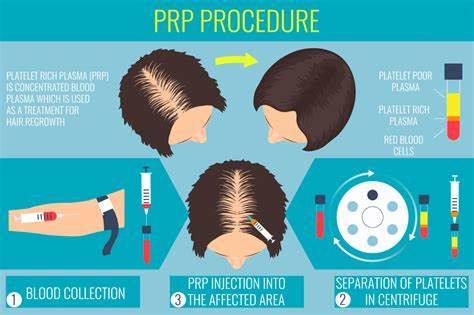
This technique uses targeted laser energy to disable hair follicles resulting in reduced unwanted hair growth over time. It’s a popular choice for long-lasting hair reduction on areas like the face, legs or underarms.
- Patient selection: Best results achieved in individuals with contrasting hair color (dark) against lighter skin tones although newer technologies accommodate diverse skin types.
- Treatment course: Multiple sessions spaced weeks apart needed because hairs grow in cycles and lasers target actively growing follicles only.
- Procedure details: Performed under local anesthesia or cooling devices to minimize discomfort during short outpatient visits.
- Aftercare tips: Avoid sun exposure before and after sessions; mild redness/swelling expected which resolves quickly without downtime.
This safe aesthetic procedure delivers gradual permanent hair reduction improving convenience alongside confidence in personal grooming habits.
WART REMOVAL PROCEDURES
Warts are caused by human papillomavirus (HPV) infections resulting in rough-textured growths commonly found on hands and feet. They are contagious but treatable through several methods.
- Identification: Warts present as raised bumps with a grainy surface that might cause discomfort when irritated.
- Diagnosis: Generally based on clinical appearance; occasionally confirmed with biopsy in atypical cases.
- Treatment options: Include cryotherapy (freezing), salicylic acid application, laser therapy, or minor surgical removal depending on wart type and location.
- Expectations: Multiple treatments may be required for complete clearance; recurrence can occur but manageable with follow-up care.
Timely wart removal not only aids cosmetic concerns but also reduces transmission risks within households or communities.
CHEMICAL PEELS FOR SKIN REJUVENATION
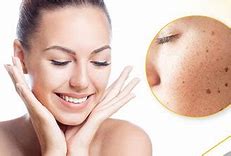
Chemical peels use specific acids to exfoliate damaged outer skin layers revealing fresher skin beneath. This procedure improves texture and tone for various concerns like pigmentation or fine lines.
- Candidacy factors: Suitable for patients looking to reduce sun damage, mild acne scars or uneven pigmentation.
- The process involves: Application of chemical solution that causes controlled peeling over days post-procedure.
- Treatment types range: From superficial peels using glycolic acid to deeper phenol peels requiring more recovery time.
- Avoidance advice includes: Sun exposure control before and after treatment is vital to prevent complications like hyperpigmentation.
This minimally invasive option provides noticeable improvements with repeated sessions tailored individually by dermatologists.
MOLE (NEVUS) EVALUATION AND REMOVAL
Moles are common benign skin growths but sometimes require evaluation to rule out malignancy. Removal may be recommended for cosmetic or medical reasons.
- Identification features: Moles typically appear as small brown or black spots; changes in size, shape or color warrant further assessment.
- Diagnostic methods: Visual examination using dermoscopy helps distinguish benign from suspicious lesions; biopsy may be needed for confirmation.
- Treatment approaches: Surgical excision under local anesthesia is standard; less invasive techniques like shave removal or laser ablation might be options depending on mole type.
- Post-treatment expectations: Minimal scarring with proper wound care; histopathology results guide further management if abnormal cells are found.
Mole monitoring and timely intervention ensure skin health while addressing patient concerns about appearance.
PSORIASIS TREATMENT
Psoriasis is a chronic autoimmune condition characterized by rapid skin cell buildup leading to thick, scaly plaques. It can cause itching and discomfort on various body parts.
- Symptoms include: Red patches with silvery scales, often on elbows, knees, scalp.
- Diagnosis: Clinical evaluation supported by skin biopsy if uncertain.
- Treatment strategies: Topical corticosteroids, vitamin D analogues, phototherapy, and systemic medications may be used depending on severity.
- Lifestyle adjustments: Moisturizing regularly and avoiding triggers such as stress can reduce flare-ups.
Although psoriasis is long-term, ongoing treatment helps manage symptoms effectively and improves quality of life.
ACNE VULGARIS MANAGEMENT
Acne vulgaris is a common skin condition that primarily affects adolescents but can persist into adulthood. It manifests as pimples, blackheads, and cysts due to clogged hair follicles and inflammation.
- Causes: Hormonal changes, excess oil production, bacteria, and dead skin cells contribute to acne development.
- Diagnosis: Visual examination by a dermatologist is usually sufficient; severity grading may be done for treatment planning.
- Treatment options: Include topical retinoids, antibiotics, hormonal therapy, and in-office procedures like chemical peels or light therapy.
- Management advice: Gentle skin care routines and avoiding irritants help control symptoms.
- Prognosis: With proper management, acne often improves significantly over weeks to months; scarring risk can be minimized.
Early intervention and tailored treatments enhance outcomes for those affected by acne.