
Dr A.k Singhal
About Me
Dr A.k Singhal
MD
Dermatologist
10 Years Experience
Biography
My Clinic
OPD Hours
| Monday | Morning | 10:00 AM | - | 02:00 PM |
| Evening | 06:00 PM | - | 09:00 PM | |
| Tuesday | Morning | 10:00 AM | - | 02:00 PM |
| Evening | 06:00 PM | - | 09:00 PM | |
| Wednesday | Morning | 10:00 AM | - | 02:00 PM |
| Evening | 06:00 PM | - | 09:00 PM | |
| Thursday | Morning | 10:00 AM | - | 02:00 PM |
| Evening | 06:00 PM | - | 09:00 PM | |
| Friday | Morning | 10:00 AM | - | 02:00 PM |
| Evening | 06:00 PM | - | 09:00 PM | |
| Saturday | Morning | 10:00 AM | - | 02:00 PM |
| Evening | 06:00 PM | - | 09:00 PM | |
| Sunday | Morning | 10:00 AM | - | 02:00 PM |
| Evening | 06:00 PM | - | 09:00 PM |
Treatments
Specialised care and treatments offered
SKIN CANCER SCREENING
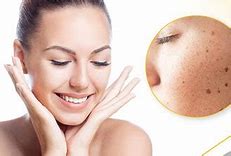
A proactive approach in detecting skin abnormalities early on can significantly reduce mortality rates associated with various forms of skin cancer. Skin cancer screenings are essential preventive measures aimed at identifying suspicious moles or growths before they become serious health issues.
- Main symptoms to look for: New moles or changes in existing moles' shape or color; persistent sores that do not heal.
- Causative behaviors: Excessive sun exposure without protection is a major risk factor contributing to melanoma development;
ECZEMA
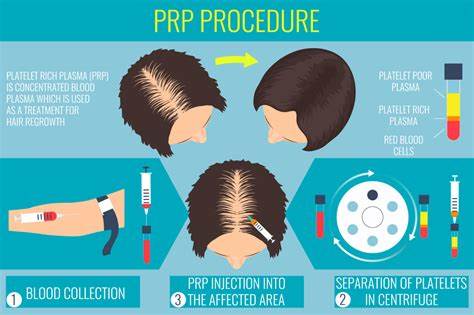
Eczema refers to a group of conditions that cause the skin to become inflamed or irritated. Atopic dermatitis is the most common form and can significantly affect daily life due to its chronic nature.
- Main symptoms: Itchiness, redness, dryness; skin may appear thickened over time due to scratching.
- Potential causes: Genetic factors combined with environmental triggers such as allergens or irritants contribute to flare-ups.
- Diagnosis methods: Assessment based on history and physical examination. Patch tests might be employed for suspected allergies.
- Treatment modalities: Moisturizers are crucial; topical corticosteroids are often prescribed during flare-ups for relief of symptoms.
- User experience: Regular adherence to skincare routines helps manage flare-ups effectively over time.
A comprehensive treatment plan tailored to individual needs can lead to better control of eczema symptoms ensuring comfort and satisfaction in daily activities.
PSORIASIS
This chronic autoimmune condition leads to the rapid growth of skin cells, resulting in scaling on the skin's surface. Psoriasis commonly appears as red patches covered with thick silvery scales.
- Common symptoms: Patches of red skin covered with silver scales; dry or cracked skin that may bleed.
- Causative factors: Genetics and environmental triggers like stress and infections play significant roles.
- Diagnosis process: Visual inspection by a dermatologist; sometimes a biopsy is needed for confirmation.
- Treatment approaches: Topical treatments like corticosteroids and vitamin D analogs; phototherapy or systemic medications for severe cases.
- What patients can expect: Flare-ups may occur but can often be managed effectively with ongoing treatment plans.
An individualized approach can lead to significant improvements in quality of life for those affected by this condition.
ACNE VULGARIS
Acne vulgaris is a common skin condition that affects individuals, especially during their teenage years. It manifests as pimples, blackheads, and cysts primarily on the face, back, and shoulders.
- Symptoms: Oily skin, lesions such as whiteheads, blackheads, and cystic acne.
- Causes: Hormonal fluctuations, excessive oil production, clogged pores due to dead skin cells.
- Diagnosis: Primarily based on physical examination; severe cases may require further evaluation.
- Treatment options: Topical retinoids, oral contraceptives for females, antibiotics in resistant cases.
- What to expect: Improvement can be seen within a few weeks of treatment; adherence is key for long-term benefits.
With proper management and care, acne can be effectively controlled while preventing potential scarring.