
Dr A Kumar
About Me
Dr A Kumar
MBBS
Cardiologist
10 Years Experience
Biography
My Clinic
OPD Hours
| Monday | Morning | 10:00 AM | - | 02:00 PM |
| Evening | 06:00 PM | - | 09:00 PM | |
| Tuesday | Morning | 10:00 AM | - | 02:00 PM |
| Evening | 06:00 PM | - | 09:00 PM | |
| Wednesday | Morning | 10:00 AM | - | 02:00 PM |
| Evening | 06:00 PM | - | 09:00 PM | |
| Thursday | Morning | 10:00 AM | - | 02:00 PM |
| Evening | 06:00 PM | - | 09:00 PM | |
| Friday | Morning | 10:00 AM | - | 02:00 PM |
| Evening | 06:00 PM | - | 09:00 PM | |
| Saturday | Morning | 10:00 AM | - | 02:00 PM |
| Evening | 06:00 PM | - | 09:00 PM | |
| Sunday | Morning | 10:00 AM | - | 02:00 PM |
| Evening | 06:00 PM | - | 09:00 PM |
Treatments
Specialised care and treatments offered
PERIPHERAL ARTERY DISEASE (PAD) CARE

This condition involves narrowing of peripheral arteries mainly affecting legs resulting in reduced blood flow which causes pain during walking or exercise. Early detection improves mobility outcomes significantly.
- Symptoms : Intermittent claudication presenting as leg cramps or weakness after walking; severe cases manifest ulcers or gangrene .
- Diagnosis : Ankle-brachial index test comparing arm & ankle blood pressures ; Doppler ultrasound evaluates arterial flow limitations .
- Treatment : Smoking cessation , supervised exercise programs encourage collateral circulation development & symptom relief ; antiplatelet therapy reduces thrombotic risks .
- Procedural interventions : Angioplasty with stenting or bypass surgery considered when conservative measures fail aiming at limb salvage .
Consistent management slows disease progression enhancing patient's quality of life through improved vascular health beyond cardiac structures alone .
CHOLESTEROL MANAGEMENT
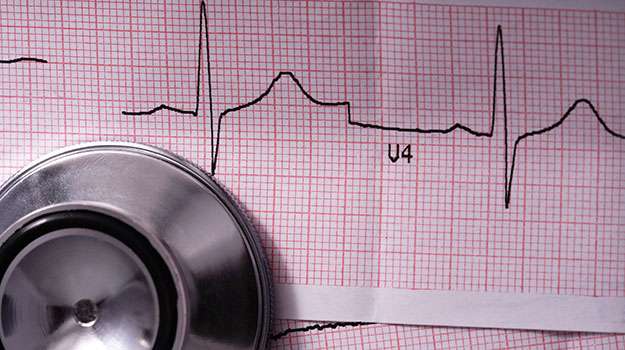
An imbalance in cholesterol levels can contribute significantly to cardiovascular disease. Proper management reduces the likelihood of developing blockages within arteries leading to dangerous cardiac events.
- Description & risk factors:Lipid abnormalities often have no immediate symptoms but can be influenced by diet high in saturated fats, obesity, sedentary lifestyle as well as genetics.
- Lipid profile testing:This blood test measures LDL (bad cholesterol), HDL (good cholesterol), triglycerides helping clinicians assess cardiovascular risk accurately.
ATRIAL FIBRILLATION (AFIB) TREATMENT
Atrial fibrillation is an irregular heartbeat originating from abnormal electrical signals in the upper chambers of the heart. It increases risks of stroke and necessitates careful management strategies.
- The nature of AFib: Patients may feel palpitations, dizziness or fatigue; however some remain asymptomatic which underscores importance of screening in at-risk groups.
- If diagnosed: Electrocardiogram confirms irregular rhythm; additional imaging or Holter monitoring may be used to evaluate frequency/duration of episodes.
- Treatment goals: Control heart rate or restore normal rhythm via medications such as beta-blockers or antiarrhythmics; anticoagulants reduce stroke risk significantly.
- Lifestyle adjustments:No smoking and moderation of alcohol intake support overall effectiveness alongside pharmacotherapy.
Certain interventions like electrical cardioversion or ablation may be considered based on individual response ensuring optimal management outcomes for AFib patients.
HEART FAILURE MANAGEMENT
Heart failure arises when the heart cannot pump sufficient blood to meet the body's demands. Though chronic and progressive, it can be managed effectively with early diagnosis and comprehensive care.
- Signs and causes: Symptoms include breathlessness during exertion or rest, swelling in legs, fatigue; causes range from prior heart attacks to cardiomyopathies or uncontrolled hypertension.
- Testing procedures: Echocardiogram is crucial for assessing heart function; blood tests like BNP levels aid diagnosis alongside clinical evaluation.
- Treatment approaches: Use of diuretics, ACE inhibitors/ARBs, beta-blockers combined with lifestyle modifications such as salt restriction are standard care components.
- Monitoring & support: Regular follow-ups for symptom control plus patient education on recognizing worsening signs are key elements of managing this complex condition.
A multidisciplinary approach enhances quality of life and slows progression in patients dealing with heart failure.
CORONARY ARTERY DISEASE (CAD)
Coronary artery disease occurs when the coronary arteries narrow due to plaque buildup, limiting oxygen-rich blood flow to the heart muscle. This condition is a leading cause of chest pain and heart attacks worldwide.
- Symptoms: Typical signs include chest discomfort (angina), shortness of breath, fatigue, or sometimes no symptoms until severe blockage develops.
- Diagnostic methods: Evaluation involves ECG, stress testing, echocardiography, and coronary angiography for detailed visualization.
- Treatment strategies: Includes lifestyle alterations, medications like antiplatelets, statins, beta-blockers; in some cases angioplasty with stenting or bypass surgery may be needed.
- Lifestyle impact: Dietary management focusing on low cholesterol intake and regular physical activity play crucial roles in improving prognosis.
A tailored treatment plan helps alleviate symptoms and prevent life-threatening heart events associated with CAD.
HYPERTENSION MANAGEMENT
High blood pressure is a common cardiovascular issue that can lead to severe complications if not properly managed. Understanding and controlling hypertension is essential for maintaining overall heart health.
- Causes and symptoms: Often referred to as a "silent killer," hypertension usually has no symptoms but can be triggered by factors such as stress, obesity, smoking, and genetic predisposition.
- Diagnosis: Repeated blood pressure measurements over time are necessary to confirm hypertension, sometimes accompanied by blood and urine tests to assess organ damage.
- Treatment options: Lifestyle changes like diet modification, regular exercise, smoking cessation along with antihypertensive medications tailored to individual needs are effective in managing this condition.
- Monitoring: Regular follow-ups ensure blood pressure targets are met, reducing risks of stroke or heart attack.
Managing high blood pressure diligently contributes significantly to long-term cardiovascular wellness and prevention of complications.