
Dr A K Upadhayay
About Me
Dr A K Upadhayay
MS
Ophthalmologist
10 Years Experience
Biography
My Clinic
OPD Hours
| Monday | Morning | 10:00 AM | - | 02:00 PM |
| Evening | 06:00 PM | - | 09:00 PM | |
| Tuesday | Morning | 10:00 AM | - | 02:00 PM |
| Evening | 06:00 PM | - | 09:00 PM | |
| Wednesday | Morning | 10:00 AM | - | 02:00 PM |
| Evening | 06:00 PM | - | 09:00 PM | |
| Thursday | Morning | 10:00 AM | - | 02:00 PM |
| Evening | 06:00 PM | - | 09:00 PM | |
| Friday | Morning | 10:00 AM | - | 02:00 PM |
| Evening | 06:00 PM | - | 09:00 PM | |
| Saturday | Morning | 10:00 AM | - | 02:00 PM |
| Evening | 06:00 PM | - | 09:00 PM | |
| Sunday | Morning | 10:00 AM | - | 02:00 PM |
| Evening | 06:00 PM | - | 09:00 PM |
Treatments
Specialised care and treatments offered
ASTIGMATISM CORRECTION
Astigmatism is a common vision condition caused by an irregular shape of the cornea or lens which leads to blurred vision at all distances. Individuals with astigmatism often experience visual discomfort along with difficulties focusing clearly on fine details
.- The main signs are distorted eyesight; headaches; frequent squinting; fatigued eyes after extended screen time; struggles with night-time visibility.. An optometric evaluation utilizing refraction tests allows healthcare providers pinpoint refractive errors accurately during routine checkups. The treatment plan could include corrective lenses (glasses/contact lenses) or refractive surgery options like LASIK that reshape corneal curvature according specific needs. Persistent follow-up consultations will help track progress while adjusting prescriptions accordingly.
Odds increase dramatically improving one's quality life benefiting from how easily astigmatism gets corrected today!
DRY EYE SYNDROME TREATMENT

Dry eye syndrome occurs when tears do not provide adequate lubrication for the eyes. This condition can lead to irritation and discomfort if not properly managed over time.
- Main symptoms include persistent dryness, burning sensations, redness in the eyes, or excessive tearing as a compensatory response from irritation.
- A medical history review accompanied by symptom questionnaires assists doctors in diagnosing this condition effectively.
- Treatment strategies often involve artificial tears or prescription medications designed to increase tear production or decrease inflammation in severe cases.
Persistent dry eyes may require long-term management approaches for ongoing relief and comfort during daily activities such as reading or using screens frequently
MACULAR DEGENERATION CARE

DIABETIC RETINOPATHY TREATMENT

Diabetic retinopathy is a serious complication of diabetes affecting the eyes. It arises from damage to the blood vessels in the retina due to prolonged high blood sugar levels.
- Symptoms may include blurred vision, floaters, or difficulty seeing colors as the condition progresses unnoticed in its early stages.
- A comprehensive dilated eye exam helps diagnose this condition by allowing detailed observation of retinal changes.
- Treatment options vary from laser therapy to manage abnormal blood vessel growths to injections that reduce swelling in the retina.
- Regular monitoring is essential for those with diabetes to prevent severe complications from developing further.
If addressed timely, diabetic retinopathy can be managed effectively while preserving vision for those affected by diabetes.
GLAUCOMA MANAGEMENT
Glaucoma refers to a group of eye conditions that damage the optic nerve, often due to high intraocular pressure. Early detection and management are crucial in preventing vision loss.
- The most common symptoms may not be noticeable until advanced stages; however, loss of peripheral vision can occur gradually.
- Diagnosis involves regular eye exams that measure intraocular pressure and assess the optic nerve's health.
- Treatment options include prescription eye drops, oral medications, or surgical interventions aimed at lowering eye pressure.
- Patients should expect ongoing assessments to monitor their condition and adjust treatment as needed.
- Adhering to prescribed treatment plans is vital for maintaining vision quality over time.
With proper management, many individuals with glaucoma can maintain their sight effectively throughout their lives.
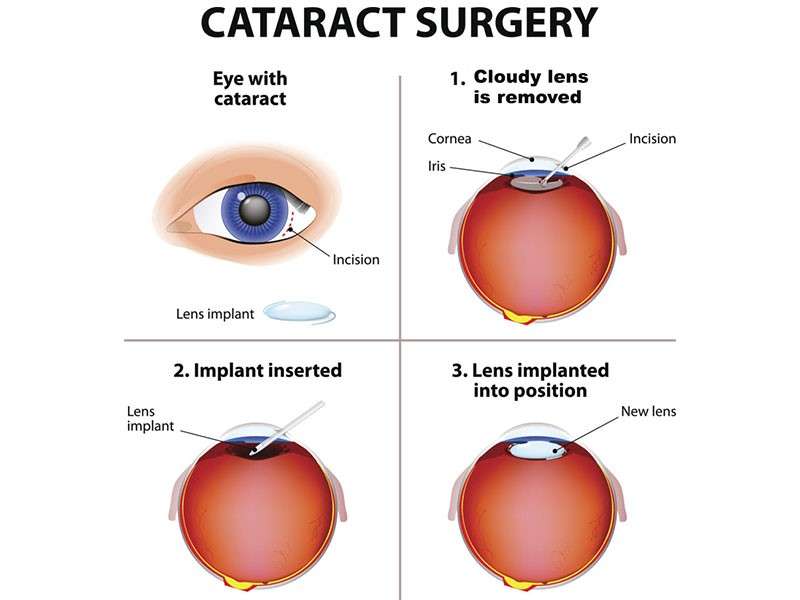
CATARACT SURGERY
Cataract surgery is a common procedure performed to treat cataracts, which cause clouding of the eye's lens. This condition can significantly impact vision, making everyday activities challenging.
- Symptoms include blurry or hazy vision, sensitivity to light, and difficulty seeing at night.
- Cataracts are typically diagnosed through a comprehensive eye exam that evaluates visual acuity and examines the lens for clouding.
- Treatment usually involves surgical removal of the cloudy lens, which is replaced with an artificial intraocular lens.
- Post-surgery, patients can expect significant improvements in vision and may be prescribed eye drops for healing.
- Regular follow-up visits are essential to monitor recovery and ensure optimal results.
This procedure is safe and effective, often allowing individuals to return to normal activities within a short period.