
DR A K Tyagi
About Me
DR A K Tyagi
MBBS
Cardiologist
10 Years Experience
Biography
My Clinic
OPD Hours
| Monday | Morning | 10:00 AM | - | 02:00 PM |
| Evening | 06:00 PM | - | 09:00 PM | |
| Tuesday | Morning | 10:00 AM | - | 02:00 PM |
| Evening | 06:00 PM | - | 09:00 PM | |
| Wednesday | Morning | 10:00 AM | - | 02:00 PM |
| Evening | 06:00 PM | - | 09:00 PM | |
| Thursday | Morning | 10:00 AM | - | 02:00 PM |
| Evening | 06:00 PM | - | 09:00 PM | |
| Friday | Morning | 10:00 AM | - | 02:00 PM |
| Evening | 06:00 PM | - | 09:00 PM | |
| Saturday | Morning | 10:00 AM | - | 02:00 PM |
| Evening | 06:00 PM | - | 09:00 PM | |
| Sunday | Morning | 10:00 AM | - | 02:00 PM |
| Evening | 06:00 PM | - | 09:00 PM |
Treatments
Specialised care and treatments offered
PERICARDITIS

This is inflammation of the pericardium—the sac surrounding the heart—often resulting from infections or autoimmune conditions. It can cause discomfort but usually responds well to treatment when identified early.
HYPERTENSIVE HEART DISEASE
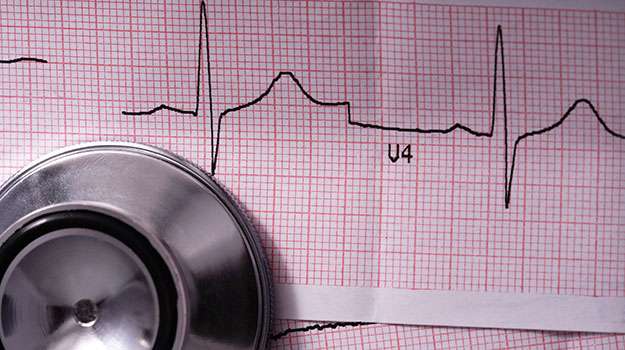
This condition develops due to prolonged high blood pressure causing structural changes in the heart muscle that impair its function. Early detection is vital to prevent progression towards more severe complications.
SUDDEN CARDIAC ARREST
This life-threatening event happens when the heart abruptly stops pumping effectively due to electrical disturbances. Immediate action is essential for survival since brain damage can occur within minutes without circulation.
- The hallmark sudden loss of consciousness, absence of pulse,and breathing cessation define the emergency scenario requiring urgent CPR (cardiopulmonary resuscitation).
- An automated external defibrillator (AED) may be used on site if available to restore normal rhythm rapidly before advanced medical care arrives.
- The underlying causes range from coronary artery disease to inherited arrhythmias; diagnosis post-event involves ECGs and detailed electrophysiological studies once stabilized.
- Prevention strategies focus on treating known cardiac conditions aggressively with medications or devices such as implantable cardioverter defibrillators (ICDs) in high-risk individuals.
A combination of prompt emergency response and long-term cardiac evaluation is critical for recovery following sudden cardiac arrest incidents.
CONGESTIVE HEART FAILURE
This condition occurs when the heart's ability to pump blood efficiently is compromised, leading to fluid buildup in lungs and body tissues. It develops slowly or suddenly depending on underlying causes.
- The most common symptoms are breathlessness on exertion or at rest, swelling of legs/abdomen, fatigue, and persistent cough with frothy sputum.
- A thorough diagnosis includes clinical examination supported by echocardiography assessing heart function along with blood tests for biomarkers like BNP.
- Treatment aims at improving quality of life using diuretics for fluid removal, ACE inhibitors for reducing workload on the heart, beta blockers, and lifestyle adjustments including salt restriction.
- Counseling about daily weight monitoring helps detect worsening fluid retention early for timely action.
Lifelong management with regular follow-up enhances stability and lowers risks associated with this chronic cardiac disorder.
ATRIAL FIBRILLATION
Atrial fibrillation is an irregular and often rapid heart rhythm originating from abnormal electrical signals in the atria. It can lead to various symptoms and increases the risk of stroke.
- Signs include palpitations, fatigue, shortness of breath, or sometimes no symptoms at all.
- Diagnosis is confirmed by ECG showing irregularly irregular heartbeat without distinct P waves.
- Treatment options involve rate control medications, rhythm control strategies such as cardioversion, and anticoagulation to prevent clot formation.
- Lifestyle changes, including limiting alcohol and caffeine intake, may help manage episodes.
- The condition requires ongoing monitoring to reduce complications like stroke or heart failure over time.
Managing atrial fibrillation focuses on symptom relief and preventing long-term problems through tailored therapies.
ACUTE MYOCARDIAL INFARCTION
An acute myocardial infarction, commonly known as a heart attack, results from the sudden blockage of blood flow to a portion of the heart muscle. This deprives the tissue of oxygen, causing damage or death if not treated promptly.
- Symptoms often include severe chest pain, shortness of breath, sweating, nausea, and radiating pain to arms or jaw.
- Diagnosis involves ECG tests to detect changes in heart rhythm and blood tests for cardiac enzymes indicating muscle damage.
- Treatment typically requires immediate restoration of blood flow via thrombolytic therapy or angioplasty along with medications like aspirin and beta-blockers.
- Management after stabilization includes lifestyle modifications, medications to control risk factors, and cardiac rehabilitation.
- Expectations depend on the extent of heart muscle affected; prompt care improves outcomes and reduces complications like heart failure.
Timely recognition and intervention are crucial to minimize permanent damage and improve survival rates in this medical emergency.