
DR A K Singh
About Me
DR A K Singh
MBBS
General Physician
10 Years Experience
Biography
My Clinic
OPD Hours
| Monday | Morning | 10:00 AM | - | 02:00 PM |
| Evening | 06:00 PM | - | 09:00 PM | |
| Tuesday | Morning | 10:00 AM | - | 02:00 PM |
| Evening | 06:00 PM | - | 09:00 PM | |
| Wednesday | Morning | 10:00 AM | - | 02:00 PM |
| Evening | 06:00 PM | - | 09:00 PM | |
| Thursday | Morning | 10:00 AM | - | 02:00 PM |
| Evening | 06:00 PM | - | 09:00 PM | |
| Friday | Morning | 10:00 AM | - | 02:00 PM |
| Evening | 06:00 PM | - | 09:00 PM | |
| Saturday | Morning | 10:00 AM | - | 02:00 PM |
| Evening | 06:00 PM | - | 09:00 PM | |
| Sunday | Morning | 10:00 AM | - | 02:00 PM |
| Evening | 06:00 PM | - | 09:00 PM |
Treatments
Specialised care and treatments offered
THYROID FUNCTION DISORDERS SCREENING
The thyroid gland regulates metabolism through hormone secretion. Deviations in its function can cause a range of systemic symptoms necessitating evaluation for hypothyroidism or hyperthyroidism.
IRON DEFICIENCY ANEMIA EVALUATION & MANAGEMENT

A widespread cause of anemia stemming from insufficient iron impairs oxygen transport in the body. Identifying root causes helps correct this condition efficiently.
- Causative Factors & Manifestations: Poor intake, chronic blood loss manifest as fatigue, pallor, dizziness
- Labs & Diagnosis: Complete blood count showing low hemoglobin along with serum ferritin levels confirms diagnosis
- Treatment Approaches: Oral iron supplementation combined with dietary counseling enhances recovery
- Mild Cases Follow-up: Monitoring ensures replenishment without side effects like gastrointestinal upset
ACUTE GASTROENTERITIS TREATMENT

An inflammation of the stomach and intestines often caused by infections leads to diarrhea and vomiting. Prompt supportive care typically results in quick recovery without complications.
- Symptoms Overview: Diarrhea, abdominal pain, nausea, sometimes fever within hours to days after exposure to pathogens
- Diagnostic Process: Usually clinical; stool tests reserved for severe or prolonged cases
- Therapeutic Measures: Oral rehydration solutions prevent dehydration; dietary adjustments avoid irritation
- Pain Relief & Medication Use: Antiemetic or antispasmodic agents may be prescribed when necessary
This condition usually resolves rapidly with appropriate care but recognizing signs of severe dehydration early is important for timely intervention.
CHRONIC OBSTRUCTIVE PULMONARY DISEASE (COPD) MANAGEMENT
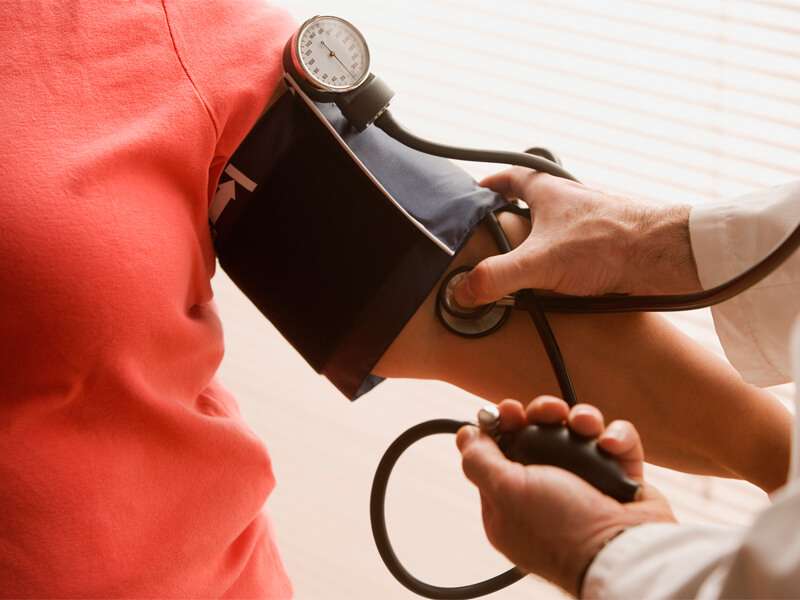
COPD encompasses progressive lung diseases that obstruct airflow and complicate breathing. Managing this disorder helps improve symptoms and slow progression effectively.
- Main Causes & Symptoms: Long-term exposure to irritants like cigarette smoke leads to persistent cough, breathlessness, wheezing.
- Evaluation Techniques: Spirometry assesses lung function; imaging rules out other causes.
- Treatment Strategies: Bronchodilators, corticosteroids inhalation therapy; pulmonary rehabilitation are cornerstone treatments.
- Lifestyle Adjustments: Smoking cessation and avoiding pollutants are vital steps in management.
Diligent care can enhance daily living capacities despite COPD’s chronic nature by reducing flare-ups and preserving lung function.
TYPE 2 DIABETES MELLITUS CARE

Type 2 diabetes results from the body's ineffective use of insulin, leading to elevated blood sugar levels that can cause serious complications if unmanaged. Early intervention is key to preventing these outcomes.
- Recognizing Symptoms: Increased thirst, frequent urination, fatigue, and slow wound healing are common indicators.
- Diagnostic Approach: Blood tests such as fasting glucose and HbA1c confirm the condition's presence and severity.
- Treatment & Lifestyle: Combination of dietary management, physical activity, oral hypoglycemics or insulin therapy tailored to patient needs.
- Complication Prevention: Routine screening for eye, kidney, and nerve damage is critical for comprehensive care.
A personalized management plan supports patients in maintaining stable glucose levels and improving quality of life over time.
HYPERTENSION MANAGEMENT

High blood pressure, or hypertension, is a common chronic condition that significantly increases the risk of heart disease and stroke. Understanding and managing it early can lead to better long-term health outcomes.
- Causes & Symptoms: Often develops silently, with few symptoms; risk factors include genetics, obesity, high salt intake, and stress.
- Diagnosis: Regular blood pressure readings over multiple visits confirm the diagnosis; additional tests may assess organ impact.
- Treatment Options: Lifestyle changes such as diet and exercise combined with medications like ACE inhibitors or beta-blockers.
- Monitoring & Follow-up: Ongoing tracking of levels and medication adjustment ensures effective control.
Hypertension requires consistent attention but can be well-controlled, greatly reducing complications with proper adherence to treatment plans.