
Dr A K Pandey
About Me
Dr A K Pandey
MS
Orthopaedic Surgeons
10 Years Experience
Biography
My Clinic
OPD Hours
| Monday | Morning | 10:00 AM | - | 02:00 PM |
| Evening | 06:00 PM | - | 09:00 PM | |
| Tuesday | Morning | 10:00 AM | - | 02:00 PM |
| Evening | 06:00 PM | - | 09:00 PM | |
| Wednesday | Morning | 10:00 AM | - | 02:00 PM |
| Evening | 06:00 PM | - | 09:00 PM | |
| Thursday | Morning | 10:00 AM | - | 02:00 PM |
| Evening | 06:00 PM | - | 09:00 PM | |
| Friday | Morning | 10:00 AM | - | 02:00 PM |
| Evening | 06:00 PM | - | 09:00 PM | |
| Saturday | Morning | 10:00 AM | - | 02:00 PM |
| Evening | 06:00 PM | - | 09:00 PM | |
| Sunday | Morning | 10:00 AM | - | 02:00 PM |
| Evening | 06:00 PM | - | 09:00 PM |
Treatments
Specialised care and treatments offered
HIP DYSPLASIA
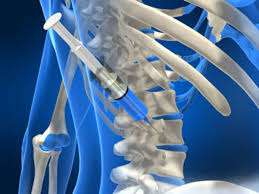
This congenital condition involves improper formation of hip joints seen frequently amongst infants although it could persist into adulthood causing long-term complications if unmanaged correctly early prevention methods address issues before they escalate further deteriorating health statuses later down roads travelled thereafter throughout life stages thereafter necessitating ongoing monitoring practices subsequently initiated appropriately alongside complete treatments prescribed regularly based individualized patient needs specifically!”
- Symptoms arise varying ages/random instances noted depending upon severity but shall often involve atypical gait patterns associated sounds heard while walking possibly representing dislocation risks indicated presenting themselves externally; children exhibit limping movements accompanied by restricted range evident seen observed visually!
TENDINITIS

Tendinitis refers specifically interiors structural irritation occurring within tendons which connect muscles ligaments causing debilitating discomfort restricting mobility/flexibility levels across various joints/patterns throughout one’s body (e.g., elbow/knee/ankle etc.).
- Symptoms: Key indicators consist primarily involving focalized soreness around involved areas commonly worsening whenever executing tasks requiring motion-based actions defined above.”
- Causes: Individuals engaging consistently involving sports/exercise regimes without sufficient warm-ups coupled along nourished recovery periods risk developing this ailment thus making preventive measures especially crucial.”
- Diagnosis: Physical examinations customarily conducted upon consultations yield valuable insights into affected regions while visual assessments utilizing ultrasounds could further clarify tendon integrity/condition perspectives if necessary—this ensures accurate diagnosing outcome adjustments matching precise therapeutic requirements based on collected data!”
- Treatment approaches: Commonly recommended methodologies encompass guiding rest protocols alongside tailored physiotherapy sessions designed specifically emphasizing targeted stretches/strengthening focused rehabilitation efforts aiding better future functional ranges impacting daily living quality improvements overall through strengthening/restoring affected sites ultimately reducing re-injury risks too very optimally!”
- What clients discover afterward post-management initiation varies greatly depending upon adherence but typically includes regained functionalities restoring performance capabilities witnessed likewise enjoyment participating once again favorite sport/hobby routines effectively returning lives enjoying passions fulfilled anew!
Timely attention received ensures enabling realignments which incorporate foundations progressively achieving restored physical stability functioning whilst diffusing aggravations persisting thereby promoting healthier lifestyles moving forward!”
CARPAL TUNNEL SYNDROME

This condition arises when pressure on the median nerve at the wrist leads to symptoms affecting hand function. It's common among individuals performing repetitive hand movements at work or daily activities.
- Symptoms: Symptoms include numbness or tingling in fingers (especially thumb/index/middle), weakness in hand grip strength has been reported as well as discomfort that radiates up the arm).
- Causal factors: The incidence may increase due to repetitive wrist flexion/extension motions combined with underlying health conditions like diabetes or thyroid disorders exacerbating nerve compression risks.”
- Diagnosis: Typically confirmed through patient history review followed by hands-on evaluations revealing decreased sensation along median nerve pathways; nerve conduction studies might assist if needed too”
- Treatment options: Conservative methods include wrist splints used primarily during nights combined together with anti-inflammatory medications; corticosteroid injections can reduce inflammation while surgery becomes necessary when symptoms persist despite these non-invasive choices”
- What takes place: Patients generally experience relieving effects within weeks post-management initiation alongside significant improvement once potential surgical intervention performed whenever indicated.”
Seeking evaluation upon initial signs aids early identification allowing optimal successful outcomes through detailed assessments carried out.”
STRESS FRACTURES

A stress fracture is a small crack in a bone resulting from repetitive force or overuse. These fractures commonly occur in weight-bearing bones such as the legs and feet.
- Symptoms: The primary symptom is localized pain that increases with activity but decreases with rest. Swelling may also be present around the affected area.
- Causes: Factors leading to stress fractures include sudden increases in physical activity levels, poor footwear support during exercise, and underlying bone conditions like osteoporosis.
- Diagnosis: A medical professional will perform a physical examination and may use imaging studies such as X-rays or MRIs to identify fractures.
- Treatment options: Resting the affected area is crucial. Modifying activities along with potential use of bracing or casts helps promote healing during recovery phases.
- What to expect: Most stress fractures heal within several weeks to months with appropriate management measures implemented early on.
If diagnosed promptly and treated correctly, most patients return fully to their regular activities without lasting issues related to stress fractures.
ROTATOR CUFF INJURY

A rotator cuff injury affects the group of muscles and tendons stabilizing the shoulder. These injuries can result from acute trauma or gradual wear and tear due to overuse.
- Symptoms: Patients often report shoulder pain that worsens at night or with specific activities. Weakness in lifting or rotating the arm is also common.
- Causes: Factors contributing to rotator cuff injuries include repetitive overhead motions, injury from falls, or age-related degeneration of tissues.
- Diagnosis: Diagnosis usually involves a clinical evaluation along with imaging techniques such as ultrasound or MRI to confirm tendon damage.
- Treatment options: Conservative approaches like rest, ice application, physical therapy exercises can be effective. In cases where conservative treatment fails, surgery may be considered.
- What to expect: Recovery times vary but following a structured rehabilitation program can significantly improve shoulder function.
If you suspect a rotator cuff injury, timely evaluation by an orthopaedic surgeon is vital for optimal recovery outcomes.
OSTEOARTHRITIS

Osteoarthritis is a degenerative joint disease that affects millions globally. It occurs when the protective cartilage on the ends of bones wears down over time, leading to pain, stiffness, and decreased mobility.
- Symptoms: Common symptoms include joint pain, tenderness, stiffness, and swelling. Individuals may experience a decrease in range of motion.
- Causes: Aging, obesity, previous joint injuries, and genetic factors can contribute to the development of osteoarthritis.
- Diagnosis: Diagnosis typically involves a physical examination, patient history, and imaging tests like X-rays or MRIs to assess joint damage.
- Treatment options: Management may include exercise programs, weight management strategies, physical therapy, medications for pain relief, and in severe cases, surgical interventions such as joint replacement.
- What to expect: Early diagnosis and treatment can help manage symptoms effectively. Lifestyle modifications are crucial in maintaining joint health over time.
Understanding osteoarthritis is essential for effective management. Consult with an orthopaedic specialist for personalized treatment plans.