
Dr A K Nigam
About Me
Dr A K Nigam
MBBS
Diabetologist
10 Years Experience
Biography
My Clinic
OPD Hours
| Monday | Morning | 10:00 AM | - | 02:00 PM |
| Evening | 06:00 PM | - | 09:00 PM | |
| Tuesday | Morning | 10:00 AM | - | 02:00 PM |
| Evening | 06:00 PM | - | 09:00 PM | |
| Wednesday | Morning | 10:00 AM | - | 02:00 PM |
| Evening | 06:00 PM | - | 09:00 PM | |
| Thursday | Morning | 10:00 AM | - | 02:00 PM |
| Evening | 06:00 PM | - | 09:00 PM | |
| Friday | Morning | 10:00 AM | - | 02:00 PM |
| Evening | 06:00 PM | - | 09:00 PM | |
| Saturday | Morning | 10:00 AM | - | 02:00 PM |
| Evening | 06:00 PM | - | 09:00 PM | |
| Sunday | Morning | 10:00 AM | - | 02:00 PM |
| Evening | 06:00 PM | - | 09:00 PM |
Treatments
Specialised care and treatments offered
METABOLIC SURGERY IMPACT ON DIABETES CONTROL
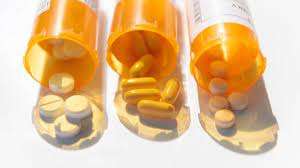
Surgical alteration of the digestive tract anatomy influences hormone release involved in glucose metabolism. This procedure can lead to dramatic improvements in type 2 diabetes independent of weight loss alone.
- Symptoms / causes: Recommended mainly for obese diabetic patients unresponsive adequately managed medically.
- Diagnosis: Candidate selection entails comprehensive metabolic assessment including duration/severity diabetes evaluation.
- Treatment / management options: Common approaches include Roux-en-Y gastric bypass which alters nutrient flow affecting incretin hormones improving pancreatic function.
- What to expect: Marked reductions fasting blood sugars HbA1c often achieved swiftly post-operatively accompanied sustained lifestyle changes.
Metabolic surgery represents an important option within modern diabetology strategies offering considerable potential benefits when standard therapies fall short.
ADVANCED INSULIN THERAPY PROTOCOLS
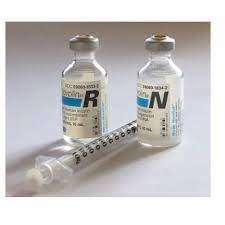
The use of advanced insulin therapy protocols involves tailored regimens designed to improve metabolic outcomes by closely mimicking physiological insulin secretion patterns. These protocols suit patients needing tight blood sugar regulation.
- Symptoms/causes: Often required for type 1 diabetics or those with fluctuating blood glucose despite conventional treatment methods.
- Diagnosis: Evaluated through detailed glucose monitoring records indicating variability needing adjustment beyond standard doses.
- Treatment/management options: Methods may include basal-bolus regimens using rapid-acting analogues timed precisely around meals plus long-acting insulins at baseline intervals; dosage is frequently adjusted based on continuous glucose data or self-monitoring results.
- What to expect: Improvement in glycemic control, flexibility in meal timing and composition; ongoing education crucial for success.
Successful implementation demands patient engagement alongside healthcare provider's expertise ensuring optimized dosing plans delivering enhanced disease management benefits.
DIABETIC FOOT ULCER MANAGEMENT
The management of diabetic foot ulcers is critical to prevent serious complications such as infections or amputations. Early detection combined with multidisciplinary care offers the best outcomes.
- Symptoms/causes: Ulcers arise due to neuropathy and poor circulation common in long-standing diabetes cases; signs include open sores or persistent foot pain.
- Diagnosis: Clinical examination supported by imaging or cultures when infection is suspected helps guide treatment planning.
- Treatment/management options: Cleaning wounds, offloading pressure from affected areas, antibiotics if infection is present, and sometimes surgical debridement are employed depending on severity.
- What to expect: Healing duration varies; meticulous foot care education reduces recurrence risk; regular follow-ups ensure early detection of complications.
A proactive approach combining local wound care with optimized glycemic control is essential for successful ulcer resolution and limb preservation.
BARIATRIC SURGERY FOR DIABETES
Bariatric surgery has emerged as an effective intervention for managing obesity-related type 2 diabetes. It not only promotes weight loss but also improves metabolic control dramatically in many patients.
- Symptoms/causes: Indicated mainly in obese individuals with poorly controlled type 2 diabetes despite medical therapy.
- Diagnosis: Thorough evaluation includes assessing BMI, comorbidities, and readiness for lifestyle changes post-surgery.
- Treatment/management options: Procedures like gastric bypass or sleeve gastrectomy reduce stomach size leading to decreased calorie intake and hormonal changes improving insulin sensitivity.
- What to expect: Significant weight reduction often leads to remission or substantial improvement in diabetes; requires lifelong follow-up including nutritional monitoring.
This surgical approach can be life-changing but demands commitment to post-operative care for sustained benefits regarding glycemic control and overall health.
CONTINUOUS GLUCOSE MONITORING (CGM)
Continuous Glucose Monitoring systems provide real-time tracking of blood sugar levels through a small sensor placed under the skin. This innovation helps patients maintain optimal glucose control throughout the day and night.
- Symptoms/causes: Used primarily in individuals with type 1 diabetes or those with frequent glucose fluctuations.
- Diagnosis: Recommendations come after evaluating patient’s monitoring needs and history of hypoglycemia or hyperglycemia episodes.
- Treatment/management options: CGM devices alert users about changing glucose levels, facilitating timely interventions like insulin dose adjustments or carbohydrate intake.
- What to expect: Enhanced awareness of glucose trends, fewer severe highs and lows, improved HbA1c values, and better overall diabetes management strategies.
The use of CGM empowers patients by providing continuous data that supports informed decision-making and personalized treatment adjustments.
INSULIN PUMP THERAPY
Insulin pump therapy is a modern method of delivering insulin continuously for the management of diabetes. This advanced technology allows for more precise control of blood glucose levels compared to traditional injections.
- Symptoms/causes: Typically used in patients with type 1 diabetes or advanced type 2 diabetes requiring intensive insulin therapy.
- Diagnosis: Candidates are evaluated based on their glucose control history, lifestyle, and ability to manage device usage.
- Treatment/management options: The pump delivers basal insulin continuously and bolus doses at mealtime, adjustable based on carbohydrate intake and activity levels.
- What to expect: Improved blood sugar stability, reduced hypoglycemia episodes, and flexibility in daily routines; requires training and regular monitoring.
This therapy significantly enhances quality of life by mimicking natural insulin delivery more closely than multiple daily injections, offering better glycemic control for suitable patients.