
Dr A K Dyar
About Me
Dr A K Dyar
MBBS
Diabetologist
10 Years Experience
Biography
My Clinic
OPD Hours
| Monday | Morning | 10:00 AM | - | 02:00 PM |
| Evening | 06:00 PM | - | 09:00 PM | |
| Tuesday | Morning | 10:00 AM | - | 02:00 PM |
| Evening | 06:00 PM | - | 09:00 PM | |
| Wednesday | Morning | 10:00 AM | - | 02:00 PM |
| Evening | 06:00 PM | - | 09:00 PM | |
| Thursday | Morning | 10:00 AM | - | 02:00 PM |
| Evening | 06:00 PM | - | 09:00 PM | |
| Friday | Morning | 10:00 AM | - | 02:00 PM |
| Evening | 06:00 PM | - | 09:00 PM | |
| Saturday | Morning | 10:00 AM | - | 02:00 PM |
| Evening | 06:00 PM | - | 09:00 PM | |
| Sunday | Morning | 10:00 AM | - | 02:00 PM |
| Evening | 06:00 PM | - | 09:00 PM |
Treatments
Specialised care and treatments offered
FOOT ULCERS IN DIABETIC PATIENTS

The development of foot ulcers represents a serious complication arising from diabetic neuropathy combined with poor circulation impairing wound healing. Early detection and proper management are critical steps toward preventing infections and possible amputations.
- Risk factors : Poor glycemic control , peripheral artery disease , sensory loss contribute significantly increasing chances ulcer formation following minor trauma unnoticed by patient .
- Diagnosis entails : Thorough foot examination identifying calluses , deformities , skin breaks ; sometimes imaging studies evaluate deeper tissue involvement requiring multidisciplinary care approach .
- Treatment includes : Wound debridement removing dead tissue ; appropriate antibiotics if infection suspected ; offloading pressure using special footwear accelerates healing processes .
- Preventive measures : Routine daily foot inspections by patients coupled with professional podiatric assessments minimize occurrence frequency maintaining skin integrity over time .
Prompt action upon any signs of foot injury avoids escalation reducing morbidity linked predominantly with diabetic foot ulcers facilitating improved patient outcomes overall .
INSULIN THERAPY MANAGEMENT
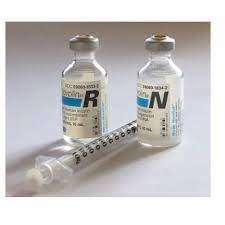
The use of insulin injections remains a cornerstone treatment for many forms of diabetes requiring careful adjustment tailored to each individual's needs. Proper administration techniques and dose timing are crucial for effective control without adverse events like hypoglycemia.
- Indications : Patients unable to maintain target blood sugars with oral agents alone especially type 1 diabetics universally require insulin replacement therapy .
- Injection methods : Options include multiple daily injections using pens or syringes ; continuous subcutaneous insulin infusion via pumps provides steady basal delivery mimicking physiological secretion .
- Monitoring requirements : Frequent self-monitoring of blood glucose guides adjustment ; consultation needed regularly for dose titration based on lifestyle , meal patterns , and physical activity .
- Expected results : Achieving near-normal glycemia significantly reduces risk for both acute emergencies like DKA & long-term complications affecting eyes , kidneys , nerves .
Education about recognizing warning signs related to incorrect dosing enhances safety while empowering individuals living with diabetes towards optimal metabolic balance .
PERIPHERAL NEUROPATHY IN DIABETES
Nerve damage resulting from prolonged high blood sugar particularly affects the peripheral nerves causing numbness and pain. This common diabetic complication can severely impact quality of life if unaddressed early on.
- Main features include: Tingling sensations or burning pain usually starting in toes or fingers progressing upward symmetrically; reduced sensation increasing injury risk due to unnoticed wounds or infections.
- Diagnostic process involves: Clinical examination augmented by nerve conduction studies evaluating nerve signal transmission speeds supporting diagnosis confirmation.
- Treatment approaches cover: Optimal glycemic control slows progression; medications prescribed for neuropathic pain relief like anticonvulsants or antidepressants improve symptoms;
- Lifestyle modifications: proper foot care routines including daily inspection reduce ulcer formation risk critical for prevention of limb amputation in advanced cases
Identifying early nerve dysfunction through regular checkups allows timely interventions minimizing irreversible nerve impairment commonly seen among diabetics poorly managing their condition .
HYPEROSMOLAR HYPERGLYCEMIC STATE (HHS)
This acute metabolic complication primarily affects type 2 diabetes patients and develops over days with dangerously high blood sugar and severe dehydration but without significant ketone production. Immediate medical intervention is essential.
- Warning signs include: Extremely high glucose readings often above 600 mg/dL, excessive thirst, dry mouth, weakness or paralysis on one side of the body may occur due to dehydration impact on brain function.
- Confirmatory diagnosis requires: Blood chemistry panels showing elevated sugars along with increased osmolality measurements indicating concentrated blood fluids.
- Treatment protocol involves: Aggressive fluid replacement intravenously; correction of electrolyte imbalances; insulin administration cautiously started after hydration begins to avoid rapid shifts in serum potassium.
- The expected course involves: Close monitoring within a hospital intensive care setting until metabolic parameters normalize fully preventing neurologic sequelae from hyperosmolar state effects.
This condition is life-threatening but prompt supportive care generally leads to positive outcomes without permanent damage if treated timely and appropriately.
HYPOGLYCEMIA
Hypoglycemia occurs when blood glucose levels drop below normal limits, causing a variety of symptoms that need immediate attention. It frequently affects individuals being treated for diabetes with insulin or certain medications.
- Symptoms: Shakiness, sweating, hunger, dizziness, confusion, irritability, and in severe cases loss of consciousness.
- Diagnostic approach: Measuring blood sugar at symptom onset confirms hypoglycemia.
- Treatment options: Rapid intake of fast-acting carbohydrates such as glucose tablets or juice to restore glucose levels quickly.
- Prevention strategies: Careful monitoring of diet, medication adjustments under medical supervision, and regular glucose testing help prevent recurrences.
A clear understanding of hypoglycemia management empowers patients to act swiftly and avoid complications associated with dangerously low sugar levels.
DIABETIC KETOACIDOSIS (DKA)
Diabetic ketoacidosis is a serious complication primarily seen in people with diabetes when the body starts breaking down fats too quickly. This leads to a buildup of acids called ketones, which can disrupt normal bodily functions.
- Causes and symptoms: High blood sugar, frequent urination, excessive thirst, nausea, vomiting, abdominal pain, rapid breathing, and confusion.
- Diagnosis: Blood tests to check glucose levels, ketone presence in urine or blood, arterial blood gas analysis for acidosis.
- Treatment: Hospitalization is often necessary for intravenous fluids, insulin therapy to lower blood sugar, and electrolyte replacement to stabilize mineral balance.
- Management: Continuous monitoring of vital signs and lab values during treatment; addressing underlying causes such as infection or missed insulin doses.
If left untreated, this condition can become life-threatening but prompt medical care typically leads to full recovery without lasting effects.