
DR A K Bajpai
About Me
DR A K Bajpai
MBBS
General Physician
10 Years Experience
Biography
My Clinic
OPD Hours
| Monday | Morning | 10:00 AM | - | 02:00 PM |
| Evening | 06:00 PM | - | 09:00 PM | |
| Tuesday | Morning | 10:00 AM | - | 02:00 PM |
| Evening | 06:00 PM | - | 09:00 PM | |
| Wednesday | Morning | 10:00 AM | - | 02:00 PM |
| Evening | 06:00 PM | - | 09:00 PM | |
| Thursday | Morning | 10:00 AM | - | 02:00 PM |
| Evening | 06:00 PM | - | 09:00 PM | |
| Friday | Morning | 10:00 AM | - | 02:00 PM |
| Evening | 06:00 PM | - | 09:00 PM | |
| Saturday | Morning | 10:00 AM | - | 02:00 PM |
| Evening | 06:00 PM | - | 09:00 PM | |
| Sunday | Morning | 10:00 AM | - | 02:00 PM |
| Evening | 06:00 PM | - | 09:00 PM |
Treatments
Specialised care and treatments offered
ROUTINE HEALTH CHECK-UP
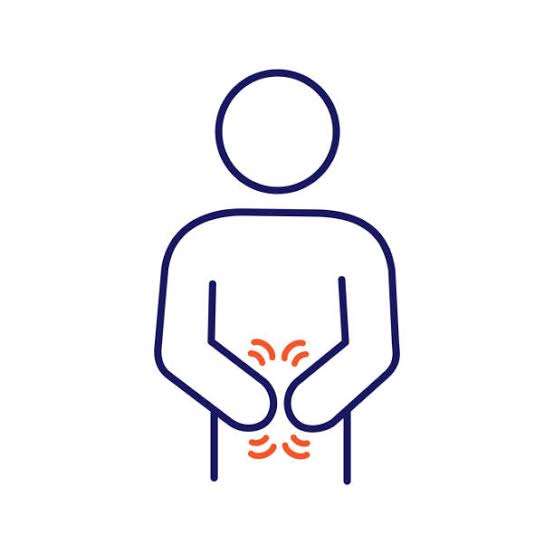
A comprehensive health check-up serves as an essential tool for early identification of potential medical issues before symptoms appear. Such preventive care supports long-term wellbeing.
SEASONAL ALLERGY EVALUATION

Sneezing fits, watery eyes or nasal blockage occurring seasonally often indicate allergic reactions triggered by environmental allergens. Identifying causes improves comfort significantly.
- Causative agents:Pollen grains from trees/grasses/weeds commonly provoke seasonal allergies during specific months each year;
- Symptoms observation : Frequent sneezing attacks , itchy eyes , nasal discharge , congestion ; wheezing occasionally
- Diagnostic tools : Detailed history taking backed by skin prick testing or serum IgE antibody measurement confirm specific allergens responsible
- Management : Avoidance strategies where feasible , symptomatic relief using antihistamines/decongestants , corticosteroid nasal sprays ; immunotherapy considered for persistent symptoms
Although seasonal allergies can disrupt everyday activities , tailored evaluation combined with appropriate therapies helps regain quality of life over time .
CHOLESTEROL SCREENING AND MANAGEMENT
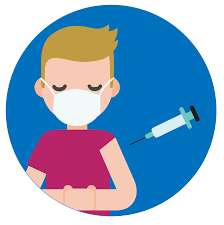
Elevated cholesterol levels contribute to cardiovascular disease risk. Regular screening enables timely intervention for maintaining arterial health.
- Causative aspects: Diet high in saturated fat or trans fats, obesity, inactivity as well as genetic predispositions influence cholesterol levels.
- Diagnostic process: Fasting lipid profile blood tests measure LDL (bad cholesterol), HDL (good cholesterol), total cholesterol & triglycerides.
- Treatment approach: Lifestyle changes including balanced nutrition rich in fiber & omega-3 fatty acids combined with exercise; pharmacological agents like statins if indicated by severity/risk assessment.
- Lifelong monitoring: Periodic follow-up tests ensure targets are met to minimize long-term vascular damage risks.
A combination of healthy behaviors plus medical therapy when required effectively lowers harmful cholesterol concentrations for heart protection.
COMMON COLD AND FLU CARE
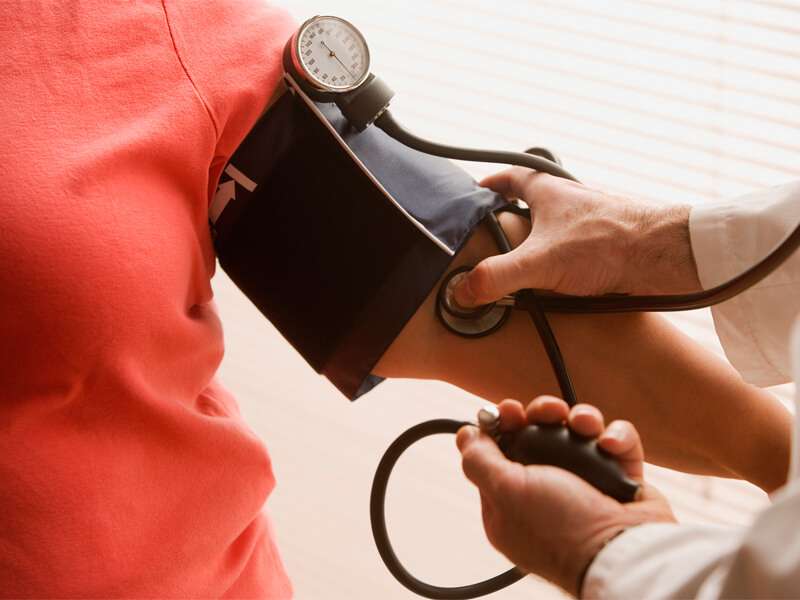
The common cold and influenza are viral infections affecting the respiratory system frequently encountered in clinical practice. Proper care aids recovery while preventing spread.
- Main symptoms: Sneezing, sore throat, cough, nasal congestion, fever, and body aches are typical signs.
- Differentiation: Influenza tends to produce more severe symptoms compared to the common cold; laboratory tests may assist in confirmation during outbreaks.
- Treatment strategies: Supportive care including rest, hydration, fever reducers; antiviral medications may be prescribed for flu in certain cases.
- Prevention tips: Hand hygiene, vaccination against influenza annually, and avoiding close contact with infected persons help reduce transmission risks.
Mild viral respiratory illnesses usually resolve within a week but require attentive self-care to avoid complications especially in vulnerable populations.
DIABETES SCREENING AND PREVENTION

Diabetes is a metabolic disorder characterized by elevated blood sugar levels. Early detection through screening can help delay or prevent complications.
- Risk factors: Family history, obesity, sedentary lifestyle, and age increase the likelihood of developing diabetes.
- Screening methods: Blood tests such as fasting glucose or HbA1c are commonly used for diagnosis.
- Lifestyle interventions: Healthy eating habits, weight management, and regular exercise play a crucial role in prevention.
- Treatment monitoring: For diagnosed cases, ongoing glucose control with medications or insulin therapy may be necessary alongside lifestyle adjustments.
A proactive approach through screening and preventive care can significantly reduce the burden of diabetes on overall health.
HYPERTENSION MANAGEMENT
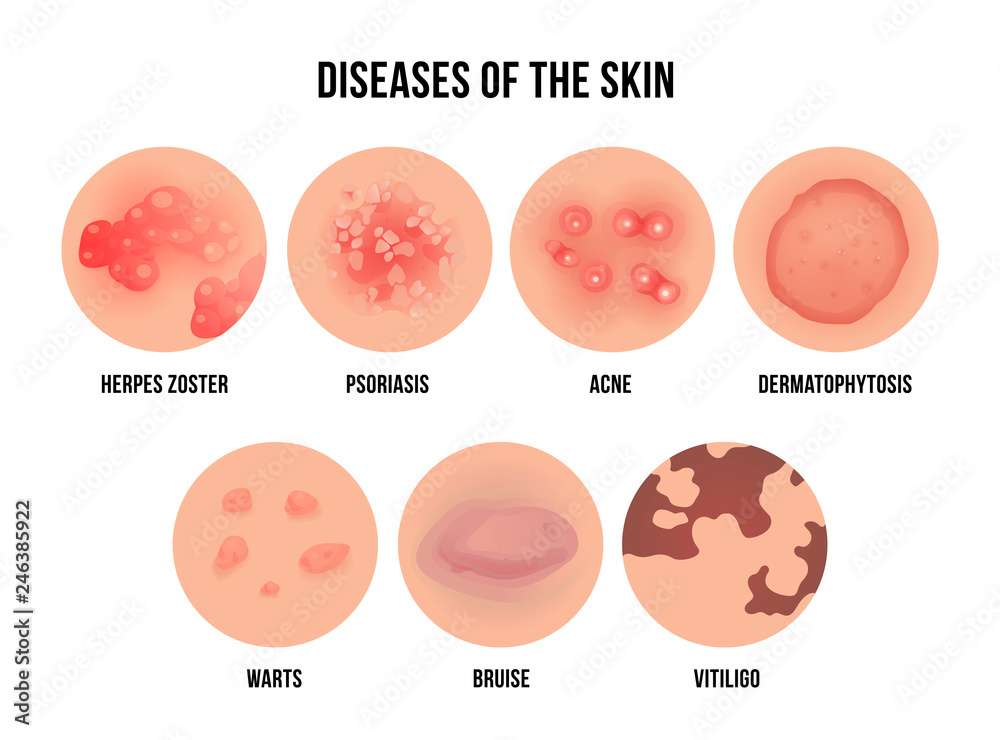
High blood pressure, or hypertension, is a common condition that can increase the risk of heart disease and stroke if left uncontrolled. Understanding its impact and management helps maintain a healthier lifestyle.
- Causes and symptoms: Often symptomless, hypertension may develop due to factors like genetics, unhealthy diet, stress, or lack of exercise.
- Diagnosis: Regular blood pressure monitoring during routine visits is essential for early detection.
- Treatment options: Lifestyle modifications such as dietary changes, regular physical activity, limiting alcohol intake, and medication when prescribed by a healthcare professional.
- Monitoring plans: Ongoing follow-ups to adjust treatment as needed and prevent complications.
With consistent care and adherence to recommended measures, many individuals effectively control their blood pressure and reduce associated health risks.